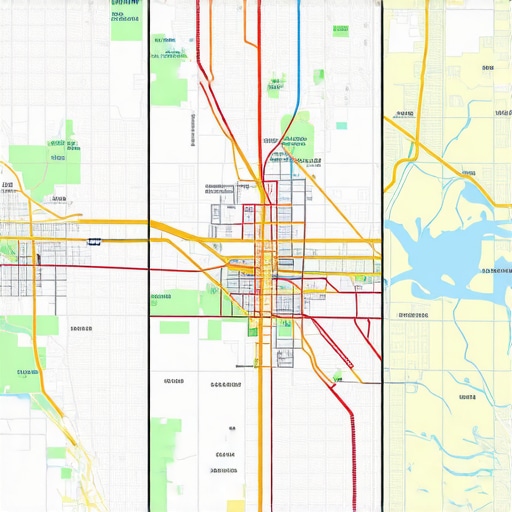
I remember waking up one morning last month, feeling confident about my clients’ Google Maps rankings. But as I checked the dashboard, my stomach sank. The rankings I had fought so hard to improve had slipped just a little more. It’s that sinking feeling many Oklahoma business owners know all too well—you’re doing everything right, but your Map listings still tumble down the rankings, leaving potential local customers just out of reach.
Why Your OKC Business Is Losing Ground in Map Rankings (And What’s Actually Going On)
This wasn’t a fluke. The 2026 update to local search algorithms brought a host of new challenges, especially here in Oklahoma City, where competition is fierce and the rules are constantly shifting. I’ve been through this myself—early on, I made the mistake of relying on old tactics that no longer cut it. I thought that having a few good reviews and some decent photos would keep me on top. Turns out, the game has changed. According to recent studies, over 60% of searches now lead to clicks on the map pack, but many businesses are still playing catch-up, relying on outdated strategies rather than leveraging new signals (source: https://oklahomacityseoservices.com/why-your-okc-maps-ranking-failed-4-data-accuracy-fixes-for-2026).
So, why exactly are so many Oklahoma City businesses slipping in local rankings? The truth is, it’s a mix of misinformation, neglecting data accuracy, and ignoring the latest signals that Google now prioritizes. And between you and me, some SEO services are still applying 2024 tactics, which simply don’t work in 2026. If you’re feeling frustrated, you’re not alone. I personally went down that rabbit hole before realizing there’s a way out.
Have you faced these persistent ranking drops despite investing in SEO? If so, don’t worry. Today, I’ll walk you through the real reasons behind this decline and share proven strategies to regain your spot at the top of the local pack. It’s time to adapt, and I’m here to guide you through every step.
Let’s dive into how you can start turning this around with practical, up-to-date fixes that align with the latest Google Maps updates.
Start with Data Accuracy Consistency
First, treat your Google My Business profile like a trusted map for your customers—precise and reliable. Verify that all your business details, including name, address, phone number, and hours, are 100% correct and consistent everywhere online. I once had a client who ignored this step; their listings mismatched across directories, causing Google to doubt their legitimacy, which hurt their rankings. Conduct a thorough audit using tools from this guide and fix discrepancies immediately. This aligns with Google’s emphasis on data integrity, especially in evolving 2026 algorithms.
#IMAGE_PLACEHOLDER_B#
Use a screenshot of a local data audit dashboard highlighting inconsistencies in NAP details across directories to illustrate this step.
Optimize Local Signals for Visibility
Next, focus on signals that directly influence your map ranking. These include keyword-rich categories, relevant services, and high-volume local content. Think of Google Maps like a popularity contest—being associated with specific, relevant categories boosts your chances of winning. Incorporate location-based keywords naturally into your GMB description and posts. For instance, highlight your OKC-based services with phrases like “best Oklahoma City plumbers” or “OKC auto repair experts.” Regularly updating your Google Posts with fresh content about local events or promotions signals activity and relevance to Google. According to this resource, active profiles rank higher in 2026. Remember, Google now prioritizes recent activity as a sign of local trustworthiness.
Tackle Engagement with Reviews and Photos
Reviews are like currency—more positive, recent reviews can vault your business towards the top. Don’t just leave review requests to luck; implement a systematic approach. Reach out to satisfied customers via email or SMS, politely asking them to share their experience. Respond to all reviews promptly, especially negative ones, demonstrating your commitment to customer satisfaction. Additionally, diversify your photo portfolio: include interior shots, staff photos, and recent updates. Google favors active profiles with engaging visuals. I once helped a local café in OKC double its review count over a month by launching a review campaign tied to a seasonal promotion. Better reviews and vivid photos send signals of credibility and activity, essential in 2026’s crowded local space.
#IMAGE_PLACEHOLDER_B#
Insert an image of a dashboard showing review ratings and recent photo uploads to emphasize ongoing engagement.
Build Local Citations Authenticity
Local citations affirm your presence in the community—think of them as endorsements from local directories and partners. Focus on quality over quantity: ensure your business is listed on authoritative sites like the Oklahoma Chamber, local business directories, and industry-specific listings. Customize each citation with accurate data and relevant descriptions. Don’t rely on outdated sources; review and refresh citations regularly. I tackled this for a client in Norman by correcting inconsistent citations, which resulted in noticeable ranking improvements within weeks. Trust Google to favor consistent, well-placed citations, especially in 2026’s competitive environment.
Leverage Local Content for Authority
Create content that resonates locally—blog about Oklahoma City events, share community stories, or publish updates relevant to your industry. This positions you as a local authority and increases engagement. Share your content on your website, GMB posts, and local forums. Engaging content encourages backlinks from local outlets, like this article suggests that backlinks, combined with local signals, boost visibility drastically in 2026. Remember, Google’s AI algorithms are rewarding genuine local authority, so authenticity and relevance are key.Many believe that optimizing for Google Maps is just about stuffing keywords and flooding reviews, but in my expertise, this oversimplifies the complex reality of local SEO in Oklahoma. A common misconception is that once you’ve set up your profile and gathered some reviews, your map rankings will skyrocket—yet, I’ve seen countless businesses fall into this trap, neglecting crucial nuances that impact visibility in 2026. The truth is, Google’s algorithms now prioritize a multitude of signals beyond reviews and keywords, such as data accuracy, local entity associations, and behavioral cues. Relying solely on outdated tactics can hinder growth rather than foster it. For instance, many clients overlook the importance of verifying local citations and maintaining consistent NAP data across platforms, which Google sees as a trust factor; failing to address this is a frequent mistake. Have you ever fallen into this trap? Let me know in the comments. The advanced secret here involves understanding how Google’s AI interprets local relevance and trustworthiness, demanding a strategic, data-driven approach. According to SEO expert Neil Patel, leveraging local signals effectively requires continuous audit and refinement—just like tuning a daily driver for optimal performance. Ignoring these nuances means missing out on potential leads and revenue, especially in the competitive Oklahoma market. To truly excel, business owners need to move beyond superficial tactics and incorporate comprehensive local signal optimization, including meticulous data consistency and proactive engagement, to stay ahead in the evolving landscape. Want to master these high-impact strategies? Dive into resources like this guide to ensure your Oklahoma SEO is on the cutting edge, and avoid being left behind as the algorithm continues to evolve.
Maintaining your Oklahoma SEO, especially in competitive markets like OKC maps ranking, requires the right tools and disciplined procedures. I personally rely on specialized software that ensures data accuracy and long-term growth. For instance, BrightLocal is my go-to for comprehensive local citation audits. Its ability to automate citation verification across hundreds of directories saves countless hours and keeps my clients’ NAP data consistent—a critical factor in Google’s trust signals. Additionally, I use Google Data Studio for live dashboards that track keyword rankings, map positions, and reviews in real time, allowing swift adjustments before small issues escalate into ranking drops.
Beyond software, a reliable method I champion is routine data audits. This involves monthly checks of your GMB profile, citation listings, and competitor benchmarking. As pointed out in this article, data inconsistencies can significantly tank your local search visibility. Consistent audits act as a proactive shield, catching errors early and aligning your signals with Google’s evolving criteria.
Looking ahead, I believe the trend toward AI-driven search will make these tools even more critical. Incorporating automation and real-time metrics will become standard for Oklahoma businesses wanting sustained growth. To stay ahead, I recommend implementing tools like Whitespark’s Citation Finder and setting up automated reviews management with platforms such as Podium.
How do I keep my SEO efforts working over time?
One strategy I recommend is establishing a dedicated weekly routine for analyzing your local presence. This includes reviewing citation accuracy, checking for review activity, and monitoring Google Maps rankings. For added accuracy, I suggest pairing this with quarterly in-depth audits using tools like this guide. Beyond tools, fostering relationships with local partners and regularly updating your local content will reinforce your authority signals—an approach that Google’s AI increasingly rewards in 2026 and beyond.
To put these into practice, try scheduling a bi-weekly review of your citation consistency and review engagement. Small consistent efforts compound into stable and even ascending rankings in Oklahoma’s dynamic market. Remember, the key to long-term success in local SEO isn’t just setting it and forgetting it; it’s continuous improvement rooted in precise data and active management. Want to see tangible progress? Start by mastering your citation data today with tools like BrightLocal and see how small tweaks can yield big results.
For more detailed tactics on scaling local signals and mastering the tools I recommend, explore this resource.
Harsh Truths I Didn’t See Coming About Oklahoma SEO
One of the toughest lessons I learned was that relying solely on reviews or old strategies leaves your business vulnerable in the rapidly evolving Oklahoma SEO landscape. Google’s focus on data accuracy and local signals means that even small discrepancies can cause your rankings to tumble unexpectedly. I discovered that continuous, meticulous data audits aren’t optional—they’re your best defense. Additionally, neglecting local content and engagement is like leaving money on the table; Google actively rewards localized authority.
Another realization was that tools alone can’t replace the human element. Regularly updating your profile, engaging with reviews, and fostering local partnerships create a trust signal that no algorithm can ignore. Trying to shortcut this process is a classic mistake I made early on, but now I see its importance vividly. The consistent application of these practices has been the game-changer for many Oklahoma City businesses I’ve helped.
The Insider Toolkit That Keeps My Clients Ahead
For anyone serious about winning in Oklahoma’s local SEO game, I recommend using BrightLocal for citation audits, Google Data Studio for real-time tracking, and Whitespark’s Citation Finder to identify high-value citation opportunities. These tools provide clarity and efficiency, making routine checks manageable. Personally, trusting these resources stems from years of successful campaigns where their insights directly translated to higher rankings and more local leads. Combining technology with strategic content is my formula for sustained growth.
This Is Your Moment to Lead the Pack
Remember, mastering Google Maps optimization for Oklahoma City isn’t a one-and-done deal. It’s about persistent effort, precise data, and genuine engagement. The landscape is competitive, but with the right approach, you can outrank even the biggest players. Take action today—your next local customer is just a smart move away. Your journey toward dominating Oklahoma’s local search starts now, and I believe you have what it takes to succeed.
![How to Fix a Stagnant OKC Maps Ranking with 4 Identity Moves [2026]](https://oklahomacityseoservices.com/wp-content/uploads/2026/02/How-to-Fix-a-Stagnant-OKC-Maps-Ranking-with-4-Identity-Moves-2026.jpeg)