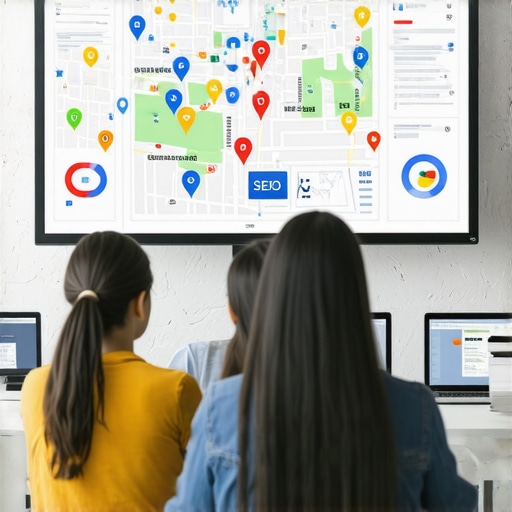
I remember when I first started trying to get my local business noticed on Google Maps. I’d spend hours tweaking my profile, hoping that one little change would suddenly boost my rankings. But no matter what I did, nothing seemed to work. It felt like I was shouting into the void, watching competitors climb the ranks while I stayed stuck. That was a real wake-up call for me—real growth comes from strategic, proven tactics, not guesswork.
Why Local Map Rankings Matter More Than Ever
In today’s competitive Oklahoma market, your Google Maps visibility isn’t just a nice-to-have; it’s essential. When potential customers search for local services, the top spots on Google Maps get most of the clicks—and most of the business. According to a recent study, over 70% of consumers visit a store within five miles of their current location, often choosing the first few options they see on Google Maps. If your business isn’t showing up there, you’re missing out on a huge chunk of local sales.
Have you ever wondered why some businesses dominate local search while others barely make a blip? I sure did. Early on, I made a critical mistake—ignoring the power of proper Google Maps optimization. It’s easy to get overwhelmed by all the advice out there, but I learned that focusing on a few key areas can dramatically improve your local rankings. That’s what I want to share with you today: effective strategies that actually work, based on my experience and what’s proven in the field.
Are you tired of watching competitors outrank you in your own neighborhood? Do you feel like you’re doing everything right but still can’t crack the top spots? If so, you’re not alone. Many local businesses struggle with Google Maps rankings, but the good news is—there’s a clear path forward. By applying the right SEO tactics, you can boost your visibility and attract more local customers. I’ll guide you through the most impactful Oklahoma-specific tips to get your business noticed today. Let’s dive into the first step to dominating your local map rankings.
Focus on Your Google My Business Profile
The first step I took was optimizing my Google My Business (GMB) listing. Think of your GMB profile as your digital storefront — the more inviting and complete it is, the more customers will trust and visit your business. I ensured my name, address, and phone number (NAP) were consistent across all online platforms, which is crucial for local SEO. Adding high-quality photos, detailed descriptions, and relevant categories made my listing more appealing and informative. Don’t overlook the importance of regularly updating your GMB with new posts, offers, and responding to reviews — it signals activity and engagement to Google.
Leverage Local Keywords and Content
Next, I focused on integrating local keywords into my website and Google My Business description. Use tools like Google’s Keyword Planner to identify terms your local customers are searching for, such as “Oklahoma City plumbing” or “Tulsa landscaping services.” Incorporating these naturally into your website content, titles, and meta descriptions helps Google connect your business with local searches. For instance, I added a dedicated page for Oklahoma City services, targeting keywords specific to that area, which significantly boosted my local visibility. Remember, relevance is key — avoid keyword stuffing and focus on providing value to your visitors.
Build Local Citations and Consistent NAP Data
Another important tactic is building citations — mentions of your business on other reputable local directories and websites. I submitted my business information to sites like Yelp, Bing Places, and local Oklahoma directories. The critical part here is consistency; ensure your NAP data matches exactly everywhere it appears. Discrepancies confuse Google and can harm your rankings. I used tools to audit my citations regularly, fixing any inconsistencies promptly. This consistent presence across trusted sources signals reliability and helps Google trust your business more.
Gather and Manage Reviews
Reviews influence local rankings and customer decisions. I actively encouraged satisfied customers to leave reviews on my GMB profile, making it easy by providing direct links. Responding to reviews — whether positive or negative — showed Google and potential customers that I valued feedback and was engaged. Authentic reviews act as social proof, increasing your credibility and click-through rates. Remember, always adhere to Google’s review policies to avoid penalties.
Optimize for Mobile and Local Intent
Since most local searches happen on mobile devices, I made sure my website was mobile-friendly. Fast loading times, clear contact information, and easy navigation improved user experience and reduced bounce rates. Additionally, I incorporated local intent signals, like mentioning nearby landmarks or neighborhoods, to align with what local customers are searching for. This approach helped my business appear in more relevant local searches, driving foot traffic and calls.
Monitor and Adjust Your Strategy
Finally, I kept an eye on my rankings, traffic, and customer interactions using tools like Google Analytics and Google Search Console. Regular monitoring allowed me to identify what was working and where I needed improvement. For example, I noticed that my local keywords were performing well, but my citation consistency was slipping. Addressing these issues promptly kept my rankings stable and even improved them over time. Staying adaptable and responsive to data is essential in this competitive landscape.
Implementing these concrete steps transformed my local visibility. If you’re serious about boosting your Oklahoma business’s Google Maps rankings, start with these tactics and refine your approach as you go. For deeper insights, check out Oklahoma SEO strategies and effective Google Maps optimization tips.
Many local businesses believe they understand what it takes to rank well on Google Maps, but in reality, some of the most widespread assumptions are actually myths that can hinder your progress. Let’s dig deeper into what most people get wrong about Google Maps optimization and how to avoid these pitfalls.
Myth: More Keywords Mean Better Rankings
A common misconception is that stuffing your Google My Business (GMB) description or website with as many local keywords as possible will boost your rankings. While relevance is important, overdoing it can lead to keyword stuffing, which Google penalizes. Instead, focus on naturally integrating high-value, relevant keywords that genuinely describe your services and location. This nuanced approach aligns with proven strategies from Oklahoma SEO strategies.
Myth: Reviews Don’t Impact Rankings
Some believe reviews are purely social proof and don’t affect rankings. In fact, reviews are a critical ranking factor, especially reviews that are recent, detailed, and authentic. Responding to reviews also signals engagement to Google. But beware of fake or incentivized reviews, which violate Google policies and can harm your ranking instead of help. Read more about managing reviews effectively in effective Google Maps optimization tips.
Is it enough to just get reviews, or is there more to it?
Getting reviews is important, but equally vital is how you respond and manage them. Engaging thoughtfully with your customers’ feedback fosters trust and encourages more reviews, creating a virtuous cycle that improves your local visibility. Remember, Google favors active and engaged profiles.
Myth: NAP Consistency Is Optional
Many businesses overlook the importance of consistent Name, Address, Phone Number (NAP) data across all online directories. Inconsistent information confuses Google and can damage your local rankings. The nuance here is to audit your citations regularly and ensure every listing matches exactly. Using tools to monitor your citations helps maintain this consistency, a tactic often highlighted by expert Oklahoma SEO insights.
What about advanced strategies like local link building and schema markup?
Advanced tactics such as building local backlinks from reputable sources and implementing schema markup for local businesses can give you an edge. These tactics are often misunderstood or underutilized because they seem complex. However, they are crucial for sophisticated SEO and can significantly impact your rankings if executed properly. For comprehensive guidance, check out Google Maps optimization tips for OKC.
In essence, avoiding these common myths and understanding the nuanced strategies will position your local business for sustained success on Google Maps. Don’t fall into the trap of oversimplification — the real winners are those who invest in a comprehensive, well-informed approach. Have you ever fallen into this trap? Let me know in the comments.
Maintaining your Google Maps ranking isn’t a one-and-done task; it requires consistent effort and the right tools. Over time, I’ve discovered that leveraging specific software and systematic processes can save you hours of manual work while ensuring your local SEO efforts stay sharp. Today, I want to share the tools I personally rely on to keep my Google Maps presence thriving and how you can implement them to sustain long-term success.
How do I maintain Google Maps rankings over time?
First, I use BrightLocal for citation management. This tool automatically audits my listings across hundreds of directories, highlighting inconsistencies or outdated information. Regular citation audits are crucial because even minor discrepancies can hurt your rankings. I set a quarterly reminder to review and update my citations, ensuring my NAP data remains perfectly aligned everywhere. This proactive approach prevents ranking dips and maintains your business’s credibility in Google’s eyes.
Next, I rely on Google Search Console and Google Analytics for tracking performance metrics. These tools help me monitor the traffic coming from Google Maps, identify which keywords are driving visits, and spot any drops in visibility. By reviewing these insights monthly, I can adjust my local SEO tactics promptly. For example, if I notice a decline in click-through rates for a specific service area, I might update my Google My Business posts or add new nearby keywords to my website content.
For review management, I turn to Podium. This platform streamlines review collection by sending automated, personalized review requests to satisfied customers. It also consolidates reviews from various platforms, giving me a clear picture of my reputation. Responding to reviews promptly and authentically is one of the most effective ways to signal active engagement to Google and boost local rankings.
Lastly, I use SEMrush for keyword tracking and competitor analysis. Staying ahead involves understanding what keywords your competitors are ranking for and identifying new opportunities. SEMrush provides detailed reports on local keyword gaps and backlink profiles, which I use to refine my link-building strategies and content targeting. This comprehensive view helps me stay competitive and adapt to evolving search trends.
Looking ahead, I predict that automation and AI-driven insights will become even more integral to local SEO. Tools that can proactively suggest optimization tweaks or automatically update citations will help businesses stay agile without constantly manual effort. For now, integrating these proven tools into your routine can dramatically improve your ability to maintain and grow your Google Maps rankings.
If you’re ready to take your local map optimization to the next level, start by implementing citation audits with BrightLocal and review management through Podium. These small steps can have a big impact on your long-term visibility. Want more advanced tactics? Check out expert Oklahoma SEO tips for ongoing success.
3 Surprising Lessons I Learned About Local SEO
- Patience Pays Off: I used to think quick wins were possible, but the real growth came from consistent effort over months. Rushing the process led to mistakes, but steady optimization built a solid foundation that Google appreciated.
- Quality Over Quantity: I focused less on stuffing keywords and more on creating valuable, relevant content for my local customers. This approach not only improved rankings but also built genuine trust within my community.
- Engagement Is Key: Responding to reviews and interacting with customers transformed my profile into a lively, trustworthy spot. Google favors active profiles, and customers are more likely to choose a business that shows they care.
My Go-To Tools for Local Success
- BrightLocal: I trust it for citation audits because it automates the tedious process of checking consistency across directories. Regular audits keep my NAP data accurate, which is crucial for local rankings.
- Podium: Managing reviews with Podium has made it easy to gather authentic feedback. Authentic reviews boost credibility and signal activity to Google, helping my business climb the local charts.
- SEMrush: For keyword tracking and competitor analysis, SEMrush provides insights that help me spot new opportunities and stay ahead of the competition. It’s my secret weapon for ongoing optimization.
Find Your Drive and Make It Happen
The future of local SEO on Google Maps is bright but requires action. With the right mindset, tools, and consistent effort, you can elevate your Oklahoma business and attract more local customers than ever before. Don’t wait for overnight success—start today and watch your visibility grow. Have you ever faced a challenge in your local SEO journey? Share your experience below and let’s learn together!