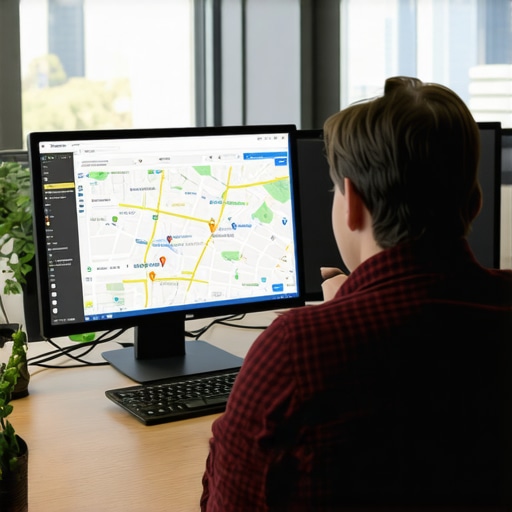
Have you ever spent hours trying to appear at the top of Google Maps, only to be met with frustration and little to no results? I’ve been there. I vividly remember the moment I realized that my local business was invisible on the map—despite having a great product and loyal customers. It was a lightbulb moment. I understood that without proper SEO strategies tailored for Google Maps, my efforts were fighting a losing battle.
Why Local SEO and Google Maps Optimization Are Critical Right Now
In today’s competitive Oklahoma market, being visible online isn’t just a bonus—it’s a necessity. According to recent studies, over 78% of local mobile searches result in an in-store visit within 24 hours. That’s a staggering number. If your business isn’t optimized for local search and Google Maps, you’re missing out on a huge audience that’s actively looking for what you offer. Local SEO isn’t just about ranking in search results; it’s about dominating the local map pack, increasing foot traffic, and ultimately, boosting revenue.
Is Google Maps Optimization Really Worth the Hype?
Early on, I made the mistake of thinking that just having a Google My Business profile was enough. I didn’t realize that without consistent updates, reviews, and strategic keywords, I was invisible in the local map results. The truth is, Google Maps optimization is a proven strategy to gain visibility. For example, businesses that optimize their Google Maps listing are 70% more likely to attract local customers, according to industry experts. If you’re skeptical, I get it. But trust me, the right tactics can make a significant difference.
Now, let’s dive into the core strategies that can help your Oklahoma business rise to the top of local search results in 2024. Whether you’re just starting out or looking to refine your existing approach, these tips will guide you through the essentials of local SEO and Google Maps ranking.
If you’re ready to transform your local presence, keep reading. We’ll explore proven techniques and insider secrets that have helped many Oklahoma businesses dominate their local markets—details you won’t want to miss.
Claim and Verify Your Google My Business Listing
The first step I took was claiming my Google My Business (GMB) profile. Think of it as claiming your piece of digital real estate. I logged into Google My Business, searched for my business, and verified ownership via postcard. This step is crucial; without verification, your listing won’t rank well or appear in the map pack.
Optimize Your Business Information
Once verified, I filled out every detail: accurate business name, address, phone number, and hours. Keep consistency across all online platforms—your website, social media, and directories. Think of this as setting the foundation of a house; a solid, consistent address helps Google trust your business. Use primary keywords naturally in your business description—think about what your local customers search for.
Choose the Right Categories and Attributes
Pick the most relevant categories for your business. For example, if you run a bakery, select “Bakery” as your primary category and relevant secondary categories like “Catering” or “Cake Shop.” Accurate categories act like a GPS for Google, guiding it to show your business for relevant searches. Also, add attributes such as “Wheelchair accessible” or “Free Wi-Fi” to appeal to local customers.
Leverage High-Quality Photos and Videos
Photos are your digital storefront. I uploaded clear, professional images of my storefront, products, and team. Visual content influences click-through rates; think of it as window shopping. Google favors active, engaging listings. Including a virtual tour can give potential customers confidence in visiting your location.
Encourage and Manage Reviews
Reviews are social proof. I reached out to loyal customers asking for reviews after their visits. Responding to reviews, especially negative ones, shows you care and actively manage your reputation. Google considers reviews in ranking—more positive, recent reviews boost your visibility. Make it easy for customers to leave reviews by sending direct links.
Implement Local Keywords in Your Posts and Services
Use keywords like “Oklahoma City bakery” or “OKC plumbing services” naturally in your GMB posts and service descriptions. I regularly posted updates about special offers and events, embedding localized keywords. This helps Google associate your business with local search queries, increasing your chances of appearing in the local pack.
Maintain Consistent NAP Data Across All Platforms
NAP stands for Name, Address, Phone number. I audited all my listings—website, directories, social media—and ensured uniformity. Inconsistencies confuse Google and can harm rankings. Think of it as giving Google a GPS coordinate that never changes.
Use Google Posts to Engage Locally
I posted weekly updates about promotions, community events, and new products. These posts appear directly in your GMB profile, keeping your listing active and engaging. Use local hashtags and keywords to reach your Oklahoma audience more effectively.
Monitor Analytics and Adjust Accordingly
I regularly checked insights in Google My Business to see how customers found my listing. If certain keywords or posts performed well, I focused more on those. Adjusting your strategy based on data is like tuning a musical instrument—you get better results over time.
Implementing these tactics isn’t always perfect at first, but consistency pays off. Over a few months, I saw my local rankings improve significantly, leading to more foot traffic and sales. By treating your Google Maps optimization like a ongoing project, you’ll stay ahead of competitors and dominate your local Oklahoma market.
While many business owners focus on the basics of claiming and optimizing their Google My Business listing, there are several misconceptions and overlooked nuances that can hinder true local SEO success. Let’s dig deeper into what most people get wrong about Google Maps optimization and how to avoid these pitfalls to dominate your Oklahoma market.
Myth: More Keywords in Your Business Name Means Better Rankings
A widespread misconception is that stuffing relevant keywords into your business name will boost your local rankings. In reality, Google penalizes such practices, considering them manipulative. The algorithm favors authentic, natural business names and relies more heavily on your NAP consistency, reviews, and overall profile optimization. Over-optimization can lead to suspension or ranking drops, so focus on genuine branding while optimizing other profile elements.
For deeper insights, check out this guide on local SEO strategies.
Common Mistake: Ignoring the Power of Reviews and Reputation Management
Many overlook the importance of actively managing reviews beyond just collecting them. Responding to reviews, especially negative ones, and encouraging satisfied customers to share their experiences is vital. Google’s algorithm weighs recent, positive reviews heavily when ranking your listing. Neglecting reputation management is a missed opportunity to improve visibility and build trust with local customers.
Learn more about reputation tactics at this resource on Google Maps tips.
Advanced Question: How Do Google Signals and User Behavior Affect Local Rankings?
Beyond the basics, a sophisticated aspect often ignored is how Google uses signals like user behavior, click-through rates, and engagement metrics to refine local rankings. For instance, if your profile consistently receives clicks and visits, Google interprets this as high relevance, boosting your position. Conversely, poor engagement can diminish your visibility, regardless of optimization efforts.
This nuance underscores the importance of compelling photos, posts, and local keywords—elements that encourage user interaction. Staying ahead in local SEO involves continuously analyzing these signals and adjusting your strategy accordingly. For an in-depth understanding, explore expert tips on Google Maps ranking factors.
Have you ever fallen into this trap? Let me know in the comments. By understanding and addressing these hidden nuances, your Oklahoma business can unlock the full potential of Google Maps and local SEO, gaining a competitive edge that lasts.
Once you’ve optimized your Google Maps listing and started seeing improvements, the next crucial step is ensuring that your efforts continue to pay off over time. Maintaining your local SEO and Google Maps rankings requires consistent monitoring, regular updates, and smart use of tools designed to streamline this ongoing process.
How do I maintain my Google Maps ranking over time?
The first step is establishing a routine for tracking your performance. I personally rely on BrightLocal, a comprehensive local SEO tool I use daily to monitor keyword rankings, review volume, and overall visibility. BrightLocal’s reporting dashboard offers actionable insights, so I can quickly identify any dips in rankings or review activity and respond proactively.
Another essential tool I use is Google My Business Insights. It provides real-time data on how customers find and interact with my listing, from search queries to click-through rates. Regularly analyzing this data helps me adjust my content strategy, update photos, or refresh posts to keep my profile engaging and relevant.
For content updates, I utilize a simple content calendar that reminds me to post weekly updates, local news, or special offers. Consistency signals to Google that your business is active and engaged with the local community, which can positively influence your rankings.
It’s also vital to actively manage reviews. I set aside time weekly to respond to reviews—thank loyal customers and address negative feedback professionally. Reputation management tools like Podium assist in generating review requests and managing responses efficiently, reducing the risk of negative reviews harming my profile’s credibility.
Future Trends in Local SEO Maintenance
Looking ahead, AI-driven analytics and voice search optimization are set to become even more integral to local SEO. Tools leveraging artificial intelligence will provide deeper insights into user behavior, allowing for more precise adjustments to your profile and content. Staying ahead of these trends means investing in adaptable tools and continuously educating yourself on emerging strategies.
If you’re serious about long-term success, I highly recommend integrating these tools and practices into your routine. Regularly auditing your profile, responding to customer interactions, and staying updated on local SEO trends will ensure your Google Maps listing remains a powerful driver of local traffic for years to come. For more advanced strategies, explore top Oklahoma SEO strategies for 2024 and discover how to scale your efforts effectively.
The Hardest Lesson I Learned About Google Maps Mastery
One of the biggest insights I gained was that simply claiming your Google My Business listing isn’t enough. The real challenge lies in staying consistent with updates, reviews, and local keywords. I once thought optimizing once was enough, but I quickly realized that local SEO is an ongoing journey that requires persistent effort and adaptation, especially in a competitive market like Oklahoma.
3 Myths About Google Maps That Held Me Back
Many business owners believe that keyword stuffing or having a perfect profile guarantees top rankings. I used to think reviews didn’t matter much—until I saw my competitors with fewer reviews ranking higher. The truth is, genuine engagement, reputation management, and authentic branding trump shortcuts. Busting these myths was crucial to my success and can be for you too.
What Experts Won’t Tell You About Local SEO Dominance
Most overlook the importance of user behavior signals—like click-through rates and engagement metrics—that Google uses to refine rankings. I discovered that encouraging interaction through engaging posts and high-quality photos significantly boosts visibility. Understanding these behind-the-scenes factors has been a game-changer in maintaining my local dominance.