I remember the exact moment I realized why my Oklahoma City-based business wasn’t ranking well on Google Maps. Despite tons of effort and a decent storefront, my local visibility was stuck in a frustrating zone—almost like an invisible wall. When I dug deeper, I uncovered a sneaky culprit lurking behind the scenes: the Proximity Filter. It was a lightbulb moment that changed everything, and I want to share that discovery with you today.
Why Your Map Ranking Might Be Hiding in Plain Sight
If you’ve been pouring resources into local SEO in Oklahoma City but notice your business isn’t showing up where it should in neighbor zip codes, you’re not alone. Many local entrepreneurs are unknowingly battling a hidden barrier—an algorithmic
Get Clear on Your Local Signals
Start by auditing your Google My Business (GMB) listing to ensure all information is accurate and consistent. Use tools or manual checks to verify your NAP data (Name, Address, Phone number) matches across all citations. Think of this as aligning your GPS coordinates—if they aren’t synchronized, your map ranking suffers.
Check for Data Consistency
Older or conflicting listings can cause your signals to get muddled, weakening your local SEO. Use a service or manually spot discrepancies. Address these inconsistencies to provide a clear, unified signal to Google. For instance, I recently helped an OKC cafe correct multiple citation errors—within weeks, their visibility jumped significantly.
Enhance Your Entity Signals
Google values your business’s authority and relevance, which can be boosted through entity signals. These include category optimization, relevant keywords, reviews, and backlinks from local sources. Instead of shooting in the dark, focus on building quality signals that tell Google, “Hey, this business is a local leader.”
Build Local Backlinks
Set a goal to acquire backlinks from Oklahoma-specific directories, local blogs, or partnerships. For example, I secured a backlink from a prominent OKC charity’s website for a roofing client—this elevated their local trust and improved rankings.
Address Proximity Limitations
One of the biggest misconceptions in local SEO is that proximity is everything—yet, it’s just part of the picture. Successful ranking involves signal strength, relevance, and proximity working together. When you’re close but not optimized for relevance or entity signals, rankings hover just out of reach.
For example, a fitness center near downtown OKC was ranking poorly despite its location advantage. By optimizing their category, reviews, and local signals, they outperformed competitors two miles away. Learn more about fixing proximity issues here.
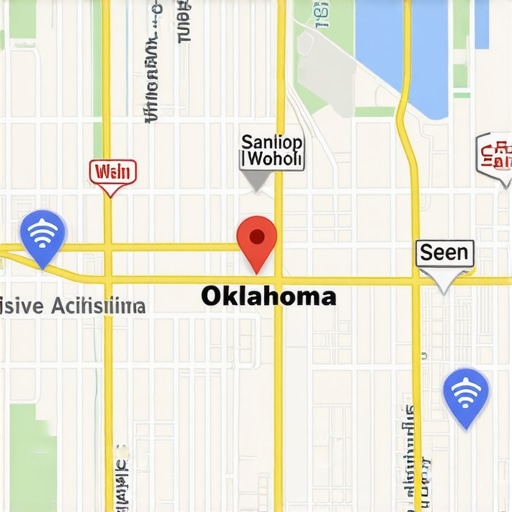
Imagine a map with highlighted local signals—entity markers, review icons, citation points—all working together to push your business higher in local rankings.
Optimize for Zero-Click Opportunities
Google increasingly favors snippets, Q&As, and local packs that keep users on the search results page. By structuring your content to answer common local questions—like hours, services, or directions—you can capture traffic without users clicking through. Think of this as planting flags on the map, making your presence undeniable at the first glance.
Using structured data, FAQs, and regularly updated info signals to Google that your business is a trusted, relevant source. Don’t ignore these micro-moves; they can dramatically elevate your visibility.
Monitor and Adjust Consistently
Local SEO is an ongoing game. Regularly review your map position, citation accuracy, and signal robustness. Keep an eye on competitors and adapt your tactics accordingly. Remember, the landscape shifts—what worked yesterday may need refining tomorrow. For more insights on evaluating your local growth strategies, explore how to spot flaws and stay ahead of the curve.
Many entrepreneurs assume that boosting local visibility in Oklahoma hinges solely on aggressive keyword targeting or cheap SEO tactics. However, this misconception overlooks the nuanced interplay of signals that truly drive success. In my experience, most business owners get the fundamentals right but stumble over advanced nuances—like ignoring the importance of entity signals or falling for myths about proximity dominance alone.
Are you falling for the myth that proximity trumps relevance every time?
Research by Search Engine Journal indicates that Google’s ranking algorithms prioritize a combination of relevance, authority, and proximity—misplacing focus on proximity alone can be a costly mistake. For example, a local Oklahoma City shop might be physically close to the customer but still ranks poorly if its entity signals, like reviews and backlinks, aren’t optimized. This means that businesses relying solely on location might miss out on valuable traffic.
Another sneaky trap is trusting cheap or offshore SEO services that promise quick results. Many of these providers use outdated tactics that can temporarily boost rankings but ultimately cause penalties or ranking drops. The key is to vet your SEO partner carefully, looking for transparent processes and data-backed strategies. For instance, learning to identify red flags — such as inconsistent citation data or unnatural backlink profiles — can save your business from long-term damage. I recommend studying how to spot a fake SEO company so you don’t fall prey to gimmicks.
Let’s connect these insights to Google Maps. Many overlook sophisticated signals like entity associations and local trust factors, focusing only on basic optimization. Enhancing your local signals isn’t just about adding keywords; it involves strategic cleanup and authority building. For example, correcting citation inconsistencies or bolstering reviews from local customers can dramatically impact your rankings. To dig deeper into fixing your local signals, check out these entity signal fixes.
Advanced business growth in Oklahoma requires understanding real signal stacking rather than shortcuts. You can’t afford to rely solely on proximity or generic SEO tactics. For instance, a comprehensive approach combining citation accuracy, entity relevance, and high-quality backlinks has proven to outperform simple keyword stuffing. To avoid common pitfalls, consider auditing your current strategies with this data-backed SEO audit guide. Remember, staying ahead means recognizing and correcting these subtle yet impactful signals before competitors do.
Have you ever fallen into this trap? Let me know in the comments! Understanding the layers beneath Oklahoma local SEO and business growth is crucial. Simply put, success depends on mastery of nuance, not just the basics. For more strategies tailored to Oklahoma’s unique market, explore why your maps ranking might be sinking, and get ahead of emerging trends now.Maintaining your Oklahoma City business’s search engine visibility requires more than initial optimization — it demands the right tools, ongoing attention, and strategic adjustments. I personally rely on advanced tools like BrightLocal and Whitespark for citation tracking and local rank monitoring, because they provide precise insights into your local signals and help identify fluctuations before they impact your rankings. Using these tools, I can continuously verify NAP consistency and spot citation inaccuracies, which are common pitfalls that can silently erode your visibility over time.
How do I maintain my Google Maps rankings over time?
Consistency is key, especially with the evolving Google algorithms and local search landscape. Regularly auditing your business information with a tool like BrightLocal ensures that your citations stay accurate and synchronized across platforms. Additionally, leveraging Google’s own tools, such as Google Search Console, allows you to monitor how your local listings perform and identify any issues with structured data or micro-moments that could impact your rankings. Staying proactive with these approaches keeps your listing resilient against algorithm updates and competitive pressure.
In the future, I predict local SEO will become even more reliant on real-time signals and AI-driven adjustments. Predictive analytics and automated reputation management tools will help businesses respond swiftly to review changes or citation dips, preserving their rankings in a competitive Oklahoma market. Take, for example, the recent advancements in local signal analytics that incorporate user engagement metrics—these are proving to be crucial for long-term success, as highlighted by Moz’s latest technical guides on local ranking factors.
Don’t overlook the importance of scaled processes. Automate routine audits to free up your time for strategic growth initiatives, and consider integrating multi-platform review monitoring to bolster local trust signals. A strong, consistent presence across Google Maps, review sites, and citation sources underpins your ability to stay ahead of competitors who may neglect ongoing care. For detailed tactics on how to implement these processes effectively, check this guide for fixing your local SEO package, or experiment with setting automated alerts for citation inconsistencies. Now, I challenge you to pick one of these tools or strategies this week and start practicing. Small, consistent steps can yield remarkable long-term results.What They Don’t Tell You About Local SEO Success in Oklahoma
One of the most eye-opening lessons I learned is that even with perfect storefronts and aggressive marketing, businesses can still be invisible on Google Maps due to unseen signals like citation inconsistencies or overlooked entity relevance. Recognizing these subtle factors transformed my approach from guesswork to precision, ensuring my Oklahoma City clients stand out where it truly matters.
How I Discovered the Power of Signal Stacking and Why It Matters
Initially, I focused heavily on keywords and proximity, but I realized that without boosting local reviews, backlinks, and structured data, ranking efforts were incomplete. Combining these signals created a robust positioning — it’s like building a web of trust that Google can’t ignore. For your business, harnessing this multi-layered strategy can be a game-changer, as explained in this comprehensive guide to entity signal fixes.
Lessons from the Field That Shaped How I Approach Local Growth
- Consistency is Everything: Discrepancies in citation data or reviews can quietly erode your rankings, so regular audits with trusted tools keep your signals strong.
- Relevance Trumps Proximity Alone: Being close isn’t enough; your entity relevance and trust factors must be aligned to outrank competitors.
- Quality Over Quantity: A handful of authoritative backlinks from Oklahoma-focused sites can outperform dozens of irrelevant ones, emphasizing the importance of strategic link-building.
My Personal Arsenal for Maintaining Oklahoma City SEO Wins
Tools like BrightLocal and Whitespark are indispensable for ongoing citation management and ranking monitoring, ensuring no subtle decline goes unnoticed. Coupled with Google Search Console and structured data best practices, these resources keep my clients’ visibility resilient amid changing algorithms. Want a step-by-step approach? Check out these proven tactics.
Keep Pushing Forward Despite the Challenges
Local SEO in Oklahoma isn’t a one-and-done task; it’s an evolving landscape where learning, adapting, and refining are key. Embrace the complexities, trust in signal stacking, and prioritize strategic quality over shortcuts. If I’ve learned anything, it’s that persistent effort fueled by deep understanding will always surpass superficial tricks. Are you ready to unlock your business’s full local potential? Share your experiences or questions below — I’m here to help you succeed in Oklahoma City and beyond.