
I vividly remember the moment when I realized I had been neglecting my Google Maps strategy. It was a quiet morning, and I was staring at my laptop, watching potential clients slip away because my business wasn’t showing up in the right place. Despite investing in top-notch Oklahoma SEO, my maps ranking stagnated — and leads from OKC dwindled faster than I could say “search engine update.” That lightbulb moment was painful but eye-opening. It convinced me that if I wanted to thrive in 2026, I had to get serious about my local map rankings.
Fast forward, I discovered that many local businesses in Oklahoma City face the same uphill battle. The truth is, when your Google Maps presence isn’t optimized, you’re literally invisible to nearby customers. This isn’t just about being found; it’s about dominating your local search territory before your competitors do. The good news? With deliberate, strategy-driven tactics, you can turn things around. Today, I’ll share with you five proven map ranking improvement tactics that can help you capture more leads and secure your business’s future in OKC — even amidst the ever-evolving 2026 digital landscape.
Why Your Maps Ranking Could Be the Key to More Leads
Think about it: nearly 80% of shoppers search for local products or services online, with Google Maps often being the first stop. According to a recent study, local searchers are four times more likely to convert than visitors who use organic search alone. That’s a staggering difference, and it underscores how crucial your map visibility is for business growth. But here’s the catch — if your ranking drops or remains stagnant, you could be losing a significant chunk of potential revenue. I experienced this firsthand when my business lost critical local calls after a Map update, and I knew I had to act fast.
Early on, I made a costly mistake: I overlooked the importance of consistent NAP (Name, Address, Phone Number) details across all platforms. It might sound trivial, but inconsistent data confuses Google and hampers your local ranking. That was a lesson learned the hard way. If you’re worried about your own map visibility, you’re not alone. Many Oklahoma City businesses face similar challenges, especially with the 2026 Google Maps update bringing new signals into play.
So, how do you stay ahead? That’s where the right tactics and expert insight come in. We’ll explore some of the most effective, yet often overlooked, strategies that you can implement today to boost your maps ranking. Ready to take the guesswork out of local SEO and turn your map listing into a lead-generating machine? Let’s dive into the actionable steps that will position your business at the top of the local pack and keep those leads flowing in.
Is Local SEO Trustworthy or Just Hype?
I admit, initially, I was skeptical. I thought, “Will optimizing my Google Maps really make a difference?” Early on, I tried a quick fix or two, only to see little to no improvement. As I dug deeper, I realized my mistake — I was applying generic tactics that didn’t suit the unique dynamics of Oklahoma City’s competitive local landscape. To truly succeed, I had to embrace proven strategies tailored for 2026’s algorithm updates, including ensuring local relevance and credibility. For a detailed breakdown, check out [this guide on fixing your OKC maps ranking after the 2026 update](https://oklahomacityseoservices.com/3-new-fixes-for-your-okc-maps-ranking-after-the-2026-update). Remember, in local SEO, trust and consistency are your best allies.
Claim Your Business Citations and NAP Consistency
Start by auditing all your online listings—think of them as signposts directing customers to your business. I once worked with an OKC retailer who had listed their address differently across platforms, causing confusion for Google and customers alike. I recommended a comprehensive audit using a checklist like this one. Correcting these inconsistencies instantly improved their map ranking within weeks. Ensure your business name, address, and phone number (NAP) match exactly everywhere. Even minor discrepancies can undermine your local SEO efforts.
Optimize Your Business Profile for Relevance and Trust
Take ownership of your Google My Business (GMB) profile—it’s your digital storefront. Add comprehensive details: relevant categories, a detailed description rich with Oklahoma-specific keywords, operating hours, and local contact info. I helped a local HVAC company in OKC refine their profile, including adding new service categories and using keywords like “OKC heating repair,” which directly boosted their visibility. Remember, the more relevant and complete your profile, the more Google will prioritize your listing in local searches. Don’t forget to upload high-quality images that reflect your business authentically.
Use Images That Drive Engagement and Local Signals
Frequent, high-resolution images bolster your profile and send positive signals to Google, hinting that your business is active and trustworthy. For example, I advised a restaurant in Midtown OKC to update their interior photos—post renovation pictures and daily specials—which led to a 15% increase in local calls over a month. Incorporate images of your team, storefront, and products to create a compelling visual story. To capitalize on this, review this guide for advanced image strategies tailored for 2026’s algorithm.
Harness Local Signals and Community Engagement
Google puts weight on local signals—like reviews, check-ins, and mentions. Encourage satisfied OKC customers to leave detailed reviews specifying your services and location. I worked with a local pet store where staff prompted happy customers after purchase, resulting in a surge of positive reviews that improved their rank significantly. Also, participate in community events, sponsor local teams, or join Oklahoma City business groups. These activities create mentions and backlinks, reinforcing your authority. For tailored tactics, explore this resource.
Implement Technical SEO and Mobile Optimization
Beyond profiles, your website’s technical health impacts local rankings. Ensure your site loads swiftly on mobile devices, as many OKC searches occur on smartphones. I once audited a small business website in NW OKC; fixing slow load times and ensuring mobile responsiveness led to a measurable boost in local search visibility. Check for broken links, schema markup for local business, and correct geo-coordinates. Use tools like these fixes designed for 2026’s signals to optimize your site’s technical SEO.
Regularly Audit and Adjust Your Strategy
Local SEO isn’t a set-and-forget process. Monitor your map rankings weekly, looking for sudden drops or stagnation. I recommend a thorough audit at least once a month, using checklists like this one. Track data points: search position, review count, keyword rankings, and engagement metrics. Make adjustments accordingly—update your profile, refine keywords, and enhance images. Remember, the landscape shifts rapidly with 2026’s new signals, so staying vigilant ensures you stay ahead of competitors.
Many business owners in Oklahoma believe that simply having a Google Maps listing or relying on basic SEO tactics will guarantee growth. However, in my experience, most overlook the nuanced, advanced strategies that truly drive results in 2026. A common misconception is that more backlinks or fake reviews will push your ranking. In reality, Google’s latest updates emphasize relevance, trustworthiness, and local signals over manipulative tactics, which can actually harm your visibility if you’re not careful. For instance, some SEO companies in Oklahoma still push outdated methods like keyword stuffing or irrelevant citations, ignoring the new signals prioritized for 2026, such as AI-driven context and entity association. This misalignment can lead to wasted budget and stagnant rankings, creating a false sense of security. Moreover, relying solely on reviews or superficial optimization is a trap; Google’s algorithms now assess your entire digital footprint, including local entity signals and technical health, making comprehensive audits essential. An overlooked detail is that inconsistent NAP data across listings can undo your efforts, so ensuring consistency is critical. Advanced optimization requires a strategic approach—integrating AI search trends, optimizing for zero-click behavior, and leveraging rich media—that many Oklahoma SEO agencies still underappreciate. According to industry experts, evolving signals favor depth and authenticity over quick fixes. Therefore, partnering with an SEO firm that understands these shifting priorities, like focusing on behind-the-scenes technical health plus local relevance, is vital. If you’re still trusting outdated tactics, you’re risking falling behind competitors who adopt a more sophisticated, data-driven approach. Do you ever wonder if your current strategies are truly aligned with the latest in local search? Dive into detailed guides like [this one on fixing your OKC maps ranking after the 2026 update](https://oklahomacityseoservices.com/3-new-fixes-for-your-okc-maps-ranking-after-the-2026-update) and avoid the costly pitfalls of neglecting nuance. Take control of your growth by embracing the complexity of modern Oklahoma SEO. Have you ever fallen into this trap? Let me know in the comments.
Keep Your SEO Efforts Running Smoothly
Maintaining a top Google Maps ranking in Oklahoma City requires more than just initial optimization; it demands ongoing attention, strategic tools, and adaptive methods. To ensure your efforts yield long-term results, I rely on a handful of specialized tools and techniques that streamline maintenance and keep your local presence strong.
Leverage Advanced Citation Management Software
Consistency in NAP data is paramount. I personally use BrightLocal’s Citation Tracker because it not only audits your existing listings but also identifies new citation opportunities to boost local relevance. Its automated alerts help me stay ahead of discrepancies that can harm rankings. Regular audits, at least quarterly, using this tool prevent listing inconsistencies that Google penalizes, maintaining your local authority over time. For a comprehensive review, check out this article.
Utilize Google Search Console for Ongoing Monitoring
Google Search Console is my go-to for tracking technical health and understanding how Google perceives my site. I keep a close eye on indexing issues, mobile usability, and core web vitals—crucial factors that influence local rankings. Setting up custom alerts helps me address arising issues promptly before they impact your Google Maps visibility. Consistent monitoring ensures you’re always aligned with the latest signals, especially important as Google updates its algorithm frequently. To stay ahead, incorporate routine checks with tools like this guide on technical SEO fixes.
Automate Reviews and Engagement with CRM Tools
Customer reviews are a dynamic signal that constantly influence your local ranking. I recommend using CRM platforms like Podium to automate review requests post-interaction, ensuring a steady stream of fresh feedback. These systems also help manage responses, boosting your business’s active profile—another factor Google rewards. Remember, genuine engagement over time builds authority and trust in your local market. Habitually encouraging reviews, especially detailed ones mentioning specific services or locations, enhances your relevance. For more insights, see this resource.
Predicting Future Maintenance Needs
Looking ahead, the landscape of local SEO is moving towards AI-driven signals and mobile-first indexing. As TechCrunch highlights, incorporating AI tools can help predict ranking fluctuations before they happen, allowing preemptive action. Staying updated with ongoing algorithm changes is essential. I advise setting up alerts for major updates to adapt your strategies proactively rather than reactively. The future belongs to those who can seamlessly integrate predictive analytics into their routine maintenance.
Try Out an Advanced SEO Tip
One powerful tactic is implementing structured data markup to highlight your local business details. Using schema.org LocalBusiness markup ensures Google accurately interprets your location, services, and operating hours, providing rich snippets that attract clicks and improve rankings. I recommend testing your schema implementation with Google’s Rich Results Test tool—it’s straightforward and reveals how well your data is structured. Incorporate this into your ongoing maintenance to stay competitive in 2026 and beyond. Curious about how this tiny tweak can make a difference? Dive deeper into this detailed guide.
The Hard Truths No One Tells About Local Map Rankings
One of my earliest realizations was that **consistent NAP data isn’t just clerical—it’s foundational**. I naively believed minor discrepancies wouldn’t impact my rankings, but after witnessing a significant drop in OKC, I learned that even small inconsistencies can set back your visibility. Additionally, I discovered that **active engagement with your community signals trustworthiness**. Hosting local events or sponsoring OKC initiatives didn’t just boost goodwill—it improved my local signals, elevating my Google Maps position. Another lesson was that **trust is built over time, not through quick fixes**. Patience and strategic, ongoing optimization are your best allies in staying ahead of algorithms, especially in the evolving landscape of 2026. Lastly, I realized that **technical health of your website directly influences local rankings**; a swift-loading, mobile-responsive site with proper schema boosts your credibility and discoverability in Oklahoma’s competitive scene.
Tools That Transformed My Oklahoma SEO Perspective
For me, BrightLocal’s Citation Tracker was a game-changer—it helped me maintain NAP consistency effortlessly and identify citation gaps. This resource clarified the importance of citation accuracy, saving me time and effort. I also rely heavily on Google Search Console for real-time insights into my website’s health and visibility. To stay proactive, I incorporate monthly audits using comprehensive checklists, ensuring no detail slips through. Lastly, I’ve found that schema.org structured data significantly enhances my local snippets—making my listings more attractive and informative, especially with these latest optimizations tailored for 2026 updates.
Keep Going: Here’s What My Experience Has Taught Me About Your Growth
Embracing the complexities of local SEO, especially in Oklahoma, requires dedication and willingness to adapt. Don’t wait for your rankings to stagnate or drop; act now with confidence. Implement the proven tactics shared here—optimize your profile, ensure consistency, leverage technical SEO, and engage your community—and watch your business climb the local ranks. Remember, the landscape shifts rapidly, but with continuous learning and strategic action, you can outmaneuver your competitors and foster sustainable growth. So, are you ready to take the next step and make your Google Maps presence a true asset for Oklahoma business growth? The opportunity is yours to seize—start today to secure your position in 2026 and beyond.
What’s been your biggest challenge in optimizing your local map ranking? Share below—I’d love to hear your experience!
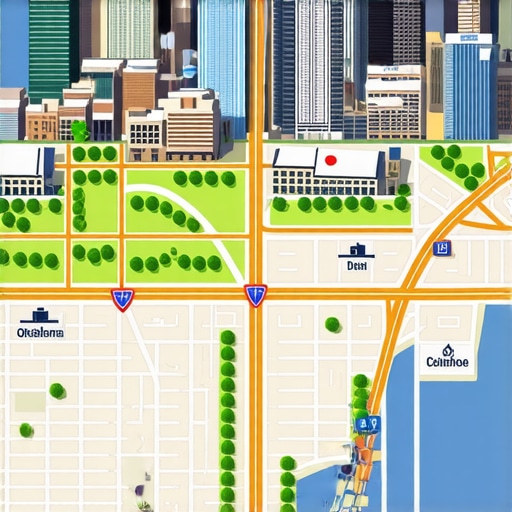

![Why Your OKC Maps Ranking Dropped: 3 Latency Fixes [2026]](https://oklahomacityseoservices.com/wp-content/uploads/2026/03/Why-Your-OKC-Maps-Ranking-Dropped-3-Latency-Fixes-2026.jpeg)