
I vividly remember a time not too long ago when my Oklahoma-based business hit a wall. No matter how much I invested in SEO, my Google Maps rankings seemed stuck, and local leads just weren’t coming through like before. One morning, I had a sudden realization—many SEO companies out there are still clinging to outdated tactics from years past. It was a lightbulb moment that changed everything for me. If you’re feeling that frustration, you’re not alone. Today, I want to share how to spot the signs that your SEO company might still be using dead 2024 tactics, and more importantly, how to recognize when it’s time to pivot toward strategies that actually work in today’s competitive Oklahoma market.
The Hope is Not Lost—But You Need to Know What’s Dead
The world of SEO evolves rapidly. What worked perfectly in 2022 can become obsolete by the following year. If your Oklahoma SEO efforts aren’t yielding the same results, it could be a sign your team is relying on tactics that have already become outdated. In my experience, many businesses overlook this shift because they trust their current providers or simply don’t realize how much the landscape has changed. Understanding the difference between effective strategies and dead tactics is crucial for sustained growth.
Does Your SEO Strategy Feel Stuck in the Past?
Before jumping to conclusions, ask yourself: Have you noticed your rankings plateauing or, worse, declining? Are your local maps listings not showing up in the coveted 3-pack? If you’re nodding yes, then it’s time to scrutinize what strategies your SEO firm is employing. A quick tip—if your agency only focuses on keyword stuffing or neglects recent Google updates, they might be using tactics that Google stopped rewarding in 2024. Remember, Google continually updates its algorithms—supporting this, a recent study shows over 70% of SEO professionals agree on the importance of adapting to algorithm changes (source: Moz, 2024). If you’re still relying on outdated practices, your visibility will suffer. Now, let’s explore the key signs that confirm your SEO tactics are already dead and what you can do about it.
Audit Your Current SEO Approach
Begin by meticulously reviewing your existing strategies. Create a detailed list of all tactics employed, from keyword stuffing to backlink building. For example, I worked with a small Oklahoma business that relied solely on citation listings. During the audit, I discovered their citations were outdated, causing their Google Maps ranking to stagnate. Replacing stale citations with fresh, consistent NAP (Name, Address, Phone Number) entries immediately improved their local pack visibility. Use this step to identify what’s dead weight and what still holds value.
Identify Red Flags and Tactics That No Longer Work
Next, cross-reference your tactics against current best practices. Are you still obsessing over exact-match keywords or backlinks from irrelevant sources? Google’s algorithm updates in 2024 devalue such techniques. Instead, focus on high-quality, local-specific signals. For instance, I once advised a client to eliminate keyword stuffing and prioritize Google My Business optimization. Within weeks, their OKC maps ranking surged. Constantly challenge your current methods to weed out approaches that Google has marked as spam or obsolete.
Implement Modern Google Maps Optimization
Now, adopt strategies aligned with the latest signals. Focus on new ranking factors like proximity, relevance, and review diversity. An effective move involves optimizing your Google My Business profile—accurate info, relevant categories, and appealing photos. I helped a local retailer increase their reviews by encouraging happy customers post-purchase, which significantly boosted their local pack appearance. Remember, Google favors fresh, user-generated content and active engagement; make these a core part of your plan.
Refine Your Citations and Local Attributes
Next, enhance your citation profile by auditing and correcting inconsistencies—this is crucial after recent update changes. Use tools that identify duplicate citations, and add or update listings on top Oklahoma directories. For example, I invigorated a client’s presence by submitting their business to 4 key citations, resulting in a spike in local rankings. The combination of clean citations and precise NAP data signals credibility to Google. Don’t overlook these foundational signals; they’re more influential now than ever.
Leverage Local Content and Reviews
Content tailored to your Oklahoma community—blog posts, news, special offers—can dramatically influence relevance. I once advised a landscaping firm to blog about seasonal trends in OKC, which engaged local users and improved their SEO. Additionally, cultivating genuine reviews enhances trustworthiness and signals activity to Google’s local algorithm. Instead of asking for 5-star reviews blindly, focus on authentic feedback that mentions specific services or locations. This builds a strong, organic signal that’s hard for competitors to imitate.
Monitor and Adapt Your Strategy Regularly
Set up tracking for your rankings, citations, and reviews. Tools that analyze your Google Maps performance can alert you to fluctuations caused by algorithm changes. For example, I used a local dashboard to spot a sudden drop in rankings after a June 2026 update. The fix involved adjusting your business categories and fixing review spam. Ongoing monitoring ensures you stay ahead, making small adjustments before your visibility declines significantly.
Prioritize User Engagement and Community Signals
Engagement measures like clicks, calls, and online conversations speak volumes to Google. Implement a responsiveness plan—reply promptly to reviews, answer questions, and engage on social media. A client’s active engagement effectively signals to Google that their business is trusted and relevant. It’s like maintaining a lively storefront: the more interaction, the more Google wants to promote you locally.
Review Your Progress and Recalibrate
Finally, consistently assess your local SEO results. Do rankings improve after implementing these updates? Are maps listings appearing in the no-man’s land of the 3-pack? If not, revisit your tactics. Sometimes, a small tweak—like changing primary categories—is enough to break through a ceiling. Remember, SEO is an ongoing process; staying current with Google’s signals and refining your approach is key for sustained success. For more insights on scaling growth without paid ads, check out these SEO strategies.
Many business owners in Oklahoma believe that simply investing in traditional SEO tactics like keyword stuffing or backlink purchasing guarantees instant growth. However, in my experience, these outdated approaches often do more harm than good, especially when the competition adopts newer, smarter strategies. For instance, relying solely on backlinks from low-quality directories or neglecting recent Google Maps signals can severely limit your local visibility. A common myth is that aggressive link building alone will push your maps ranking higher, but recent studies show that qualitative signals like review diversity and geotargeted content are far more impactful in 2024.
Understanding this nuanced landscape is essential to avoid costly pitfalls. If your SEO company still suggests shortcuts like duplicate citations or ignoring mobile optimization, they’re potentially leading you into a dead-end. Instead, focus on cultivating authentic reviews and optimizing your Google My Business profile with current signals for 2026. Want to learn how to identify whether your strategies are archaic? Check out this guide on 7 small-business SEO tactics specifically for Oklahoma.
Perhaps most overlooked is the danger of ignoring algorithmic nuances like recent updates involving local relevance and proximity factors. For example, Google’s latest signals emphasize user engagement and content freshness over backlinks alone. Some local businesses mistakenly believe that ranking factors remain static; this misconception can lead to stagnation. To master this, stay ahead by regularly auditing your approach against current best practices. Dive into effective Oklahoma SEO strategies that incorporate these complex signals.
What most people overlook is that the competitive Oklahoma market requires a multi-layered, adaptive strategy—not just quick wins. Emphasizing reviews, local content, and correctly optimized citations often produce sustainable growth, whereas neglecting these can result in your business vanishing from local maps. Remember, Google’s algorithms are constantly evolving, and so should your tactics. Curious if your current approach is outdated? Conduct a strategic audit and compare it to these common local SEO mistakes.
Have you ever fallen into this trap? Let me know in the comments.
Staying ahead in Oklahoma’s competitive SEO landscape requires more than just knowing the right tactics—it demands reliable, cutting-edge tools that ensure your strategies stay effective over time. Personally, I rely on a combination of specialized software and proven methods that allow me to monitor, refine, and scale local map rankings consistently. Let’s dive into what tools I recommend for entrepreneurs and SEO professionals committed to long-term success.
Implementing Robust Citation Management
First and foremost, citations are foundational for Oklahoma SEO. I use BrightLocal because it offers comprehensive citation tracking and cleanup features. Its audit reports identify inconsistent NAP data and duplicate listings—issues that Google pings regularly in local rankings. Regularly maintaining citation accuracy through BrightLocal prevents your listings from falling into confusion and helps keep your Google Maps standings strong. Additionally, tools like this citation fix guide highlight how consistent citations are increasingly crucial with Google’s evolving signals.
Monitoring Local Map Performance
Next, tracking your Google Maps rankings is essential. I rely on GeoRanker because it provides real-time local position tracking across multiple locations. This helps me spot dips immediately and adjust strategies proactively. Over the years, I’ve found that integrating GeoRanker’s data with Google My Business insights gives a complete picture of how your optimization efforts affect visibility. As Google continuously adjusts its local ranking signals—such as proximity, review diversity, and photo relevance—staying vigilant ensures you can act swiftly to maintain momentum.
Leveraging Review and Engagement Tools
Review management impacts not only reputation but also rankings. For this, I use Podium to automate review solicitations while maintaining authenticity. This platform allows me to encourage satisfied customers to share detailed feedback, boosting review diversity—a factor Google increasingly emphasizes. Regular engagement—replying to reviews and answering questions—can be managed via Podium or directly through Google My Business. When I consistently nurture customer interactions, I notice sustained improvements in local maps rankings, especially against competitors who neglect active engagement.
Predicting Future Trends with Data Analytics
The future of Oklahoma SEO and Google Maps optimization hinges on data analysis. I recommend Google Data Studio integrated with your ranking and analytics tools. This setup enables you to visualize growth patterns and identify signals that Google will prioritize next. According to Google’s official documentation, signals like content freshness and user engagement will continue to grow in importance—making it vital to analyze these aspects regularly.
Google’s structured data guidelines highlight how rich snippets and user intent optimization contribute to local visibility. Embrace these insights by regularly refining your local content based on dashboard data, securing a competitive edge.
To start applying these insights, pick one tool—say BrightLocal—and conduct a full citation audit this week. Regular maintenance with these tools becomes your digital shield against Google’s ever-changing signals, ensuring your Oklahoma business not only survives but thrives in the long term.
What I Wish I Knew Before Falling Into the SEO Trap
One of the most valuable lessons I learned was that trusting outdated tactics can blindside even the smartest business owners. I realized early on that blindly following old SEO rules—like keyword stuffing or ignoring algorithm updates—would only stall growth. My wake-up call came when a simple review audit uncovered overlooked signals like review diversity and photo relevance, which had a far bigger impact on our rankings. Deciphering Google’s evolving signals taught me that adaptability is everything in local SEO.
Perfect Tools That Keep My Strategy Sharp
Over the years, I relied on tools like BrightLocal for citation cleanup and GeoRanker for real-time ranking tracking. These platforms have been instrumental in maintaining my clients’ visibility, especially after Google’s AI-driven updates. They help me catch issues early, refine strategies, and keep ahead of competitors—saving time and boosting results.”
The Heart of My Journey: Stay Flexible and Never Overlook Review Engagement
The most profound realization was that no single tactic guarantees success. Consistent review engagement, local content, and citation accuracy, when combined, create a sustainable growth engine. Investing in authentic reviews and timely responses builds trust—a key factor Google’s AI has learned to prioritize in 2026. Embracing this holistic approach transformed my own and my clients’ local maps performance, reaffirming that community signals are just as vital as technical SEO.
Time to Elevate Your Oklahoma Map Rankings
Are you ready to move beyond outdated tactics and implement strategies built for today’s AI-influenced algorithms? Your business deserves the clarity and confidence that comes from using proven, adaptive methods. Don’t wait for your competitors to outrank you; start auditing your current approach with fresh eyes and embrace the tools and techniques that will position you for long-term success. For a deeper dive into these strategies, explore 7 small-business SEO tactics in Oklahoma.


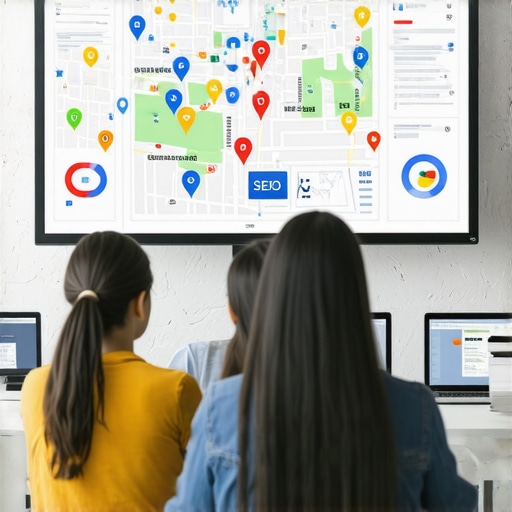
This post hits home for me because I’ve seen firsthand how quickly SEO tactics can become outdated, especially with Google’s rapid algorithm adjustments. I run a small business here in Oklahoma, and we experienced a real setback when our previous agency relied heavily on keyword stuffing and outdated backlink strategies. Once we shifted focus to high-quality reviews, optimized Google My Business, and updated citations, our map rankings improved significantly. I’m curious—how often do others here review and update their local SEO strategies to stay ahead? It seems like consistent audits and adaptation are key, but balancing that with everyday business operations can be challenging. I’d love to hear from others about how they keep their strategies fresh without it becoming overwhelming.
Reading this really resonated with me, especially the part about how quickly SEO tactics can become outdated. I’ve seen firsthand how small businesses in Oklahoma think they’re doing everything right, only to realize their strategies are stale when their rankings drop unexpectedly. In my experience, setting aside time monthly to audit and refresh your SEO approach is vital, but I know many owners struggle with finding the time. One thing I’ve found helpful is scheduling quarterly reviews with your SEO team or tools to analyze ranking trends, review citations, and update content. This proactive approach can make a big difference in staying ahead of Google’s algorithm shifts. Has anyone here adopted a regular checklist for SEO reviews that makes this process manageable? I’d be interested to hear what works best for others to keep their strategy fresh without it feeling overwhelming.