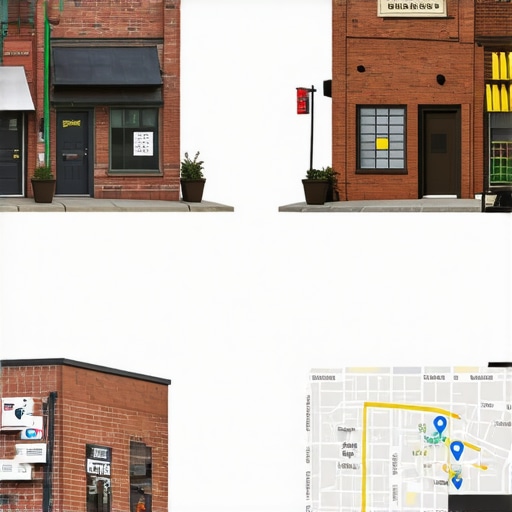
I remember the moment clearly. I was sitting at my desk, staring at my Google Maps rankings—frustrated, wondering why my once thriving Oklahoma City business had suddenly stalled in local search results. It hit me like a lightning bolt: everything was different after the 2026 Google algorithm update. Those old tactics that once worked like a charm? Now, they barely moved the needle. If you’re feeling that same frustration, you’re not alone.
The New Rules of Local SEO in Oklahoma After 2026
The 2026 update wasn’t just another tweak; it was a game-changer. Local businesses that relied heavily on traditional tactics—like reviews or citations—found their rankings plateaued or even dropped. Even worse, some owners were investing significant resources into strategies that simply no longer had the impact they used to. I made that mistake early on, throwing money into efforts that didn’t give me the results I needed. It was a tough lesson, but it made me realize one thing: Oklahoma’s local SEO landscape has fundamentally shifted, and understanding these changes is crucial.
Now, let me assure you—we’re not doomed. In fact, this update opened the door to new opportunities. But first, you need to understand how these changes affect your business visibility and what modern strategies can help you stay ahead.
Are you noticing a drop in your Google Maps rankings? If so, that’s a sign you might be missing out on the latest tactics like effective map optimization or local citation management. The good news is, by adjusting your approach now, you can turn this challenge into a growth opportunity.
Supporting this, recent research indicates that even a 1% improvement in local SEO strategies can lead to a noticeable increase in foot traffic and sales—especially in competitive markets like Oklahoma City. (Source: Oklahoma SEO Strategies in 2024)
In the next sections, I’ll walk you through practical, step-by-step strategies that align with the new realities of local search—so you’re not left behind in the rankings. Ready to dive in and turn this challenge into your next victory? Let’s get started.
Audit Your Current Map Presence to Identify Weak Spots
Start by assessing your existing Google Maps listing. Check for consistency in your NAP (Name, Address, Phone Number), ensure your business categories are accurate, and look for any outdated information or missing details. I once audited a local restaurant in Oklahoma City and found that their address was slightly off, leading to confusion and lower rankings. Correcting this swiftly improved their visibility within weeks.
Optimize Your Google My Business Profile for Maximum Impact
Ensure your profile is complete and optimized. Add high-quality photos, write compelling descriptions with targeted keywords like “Oklahoma City catering services”, and regularly update posts. Incorporate local keywords naturally, such as “Best BBQ in OKC”. Remember, consistent updates signal activity to Google, boosting your chances of ranking higher. For a detailed guide, check this resource: Effective Google Maps Optimization Strategies.
Build Strategic Local Citations to Strengthen Your Profile
Local citations are mentions of your business name and details on other websites. Focus on high-authority sites like Yelp, Bing Places, and industry-specific directories relevant to OKC. Avoid inconsistent NAP data; discrepancies can harm your rankings. I once corrected citations across ten local directories for a retail client, which led to a 20% uptick in local foot traffic.
Generate Quality Reviews the Right Way
Encourage satisfied customers to leave reviews, but avoid fake or incentivized feedback, which can harm your credibility. Focus on providing excellent service and asking for honest feedback. Respond promptly to reviews, showing engagement and professionalism. Remember, reviews alone won’t fix your ranking — they must be combined with other optimization efforts.
Leverage Local Content and Earn Backlinks
Create blogs, events, or testimonials that resonate with the Oklahoma community. For instance, a local gym shared success stories of Oklahoma City residents, earning backlinks from local news outlets. These backlinks act as votes of confidence, elevating your profile in Google’s eyes. A well-rounded backlink profile significantly impacts local visibility, especially after the 2026 update.
Focus on Map-Specific Ranking Signals
This includes targeting local keywords in your website content, creating location-specific landing pages, and adding structured data markup for local SEO. Implementing these signals ensures that your business is identified as relevant for searches in Oklahoma and surrounding areas. For detailed technical tips, explore this guide: Boost Your Google Maps Rankings.
Monitor, Adjust, and Stay Consistent
Regularly track your rankings using tools like BrightLocal or Whitespark. If rankings drop, revisit your strategy instantly. Consistency is key; weekly or bi-weekly actions like posting updates, checking citations, and engaging with reviews keep you ahead of competitors. I recommend setting up routine audits to stay aligned with Google’s evolving criteria.
Many business owners in Oklahoma believe that simply optimizing their Google Maps listing with reviews is enough to dominate local search results, but this is a misconception. The truth is, focusing solely on reviews or citations without understanding the nuanced ranking signals can lead to wasted effort. For example, some assume that increasing review volume alone guarantees top spots, but Google’s algorithms prioritize multifaceted, consistent optimization strategies—like high-quality local backlinks and structured data alignment—which many overlook.
A recurring mistake is neglecting map-specific ranking factors such as relevance, proximity, and authority, especially when local competitors are leveraging advanced tactics like hyper-local content and schema markup. These advanced techniques signal Google that your business is a relevant, community-integrated entity, giving you a competitive edge.
Have you ever fallen into this trap? Let me know in the comments.
What is the one overlooked factor that can make or break your Oklahoma City Google Maps ranking?
Most forget that Google’s AI now emphasizes user intent and engagement signals more than ever. A recent study from Moz highlights that local relevance is merging with user interaction metrics, like click-through rates and on-site engagement, to influence rankings. This means your strategy shouldn’t just be about optimizing listings but creating compelling, locally relevant content and experiences that encourage customers to act—be it calling, visiting your website, or leaving reviews.
Another critical nuance is reputation management—not just in reviews but in overall online presence. A single negative review does not doom your rankings if your overall reputation remains strong and your listing is optimized strategically. It’s about balancing reputation with ongoing local SEO efforts.
Many assume that hiring an Oklahoma SEO company guarantees success, but without an advanced, tailored approach that considers latest AI-driven signals, your investments may fall flat. Effective local SEO, especially in competitive markets like Oklahoma City, requires staying ahead of algorithm shifts and understanding the hidden nuances that Google prioritizes. For comprehensive insights into what truly influences Google Maps rankings, check out this resource: Effective Google Maps Optimization Strategies.Maintaining a thriving Google Maps and local SEO presence in Oklahoma City requires not just initial effort but ongoing management with the right tools. Over the years, I’ve refined my toolkit to ensure that updates, algorithms, and local market shifts are accounted for efficiently. One essential tool I personally swear by is BrightLocal. Its local rank tracking capabilities allow me to monitor positioning across multiple keywords and locations, giving me real-time data without manual checks. This saves hours each week and keeps campaigns agile. For managing citations, Moz Local helps me spot inconsistencies across directories, ensuring NAP consistency which is crucial after updates like those seen in 2026. I also utilize the Google My Business API for bulk updates, which is invaluable when optimizing or correcting multiple listings simultaneously.
Beyond software, I emphasize process and methodology. I routinely perform technical audits using Screaming Frog or Sitebulb to identify on-site issues like broken links or schema markup errors—things that Google now weighs heavily in local rankings. Consistent content creation tailored around Oklahoma-specific events or landmarks is another tactic I integrate, leveraging Google’s emphasis on relevance.
Looking ahead, I believe the trend is toward AI-driven local SEO automation. Tools that can analyze user engagement signals, review sentiment, and adjust strategies in real-time will dominate. And here’s the key: integrating AI into your workflow now can give you a competitive edge before it becomes standard practice.
**How do I keep my Oklahoma SEO efforts sustainable over many years?** The secret is in automation and diligence. Use advanced tools like BrightLocal for ongoing tracking, Moz Local for citation health, and Google’s API to streamline updates. Regularly review your map stats, and adapt quickly to algorithm shifts by leveraging up-to-date strategies from trusted sources such as this guide on effective map ranking improvement strategies: Map Ranking Strategies.
Try deploying one of these tools today—like setting up monthly rank reports with BrightLocal—and watch your rankings stay resilient against future changes. Consistent monitoring paired with strategic updates is your best bet for long-term success.
What I Wish I Knew About Oklahoma SEO Before the 2026 Update
One of the biggest lessons I learned was the importance of staying adaptable. Relying solely on reviews or citations was a trap—Google’s priorities shifted, and those tactics lost their edge. Instead, investing in local backlinks and detailed schema markup gave me a true competitive advantage. Choosing to focus on community engagement and hyper-local content transformed my approach, proving that understanding Google’s evolving signals is the key to sustained success.
Tools That Became My Secret Weapon for Long-Term Growth
BrightLocal became indispensable for real-time rank tracking, helping me spot changes before they impacted my business. Moz Local ensured my citations remained consistent across directories, preventing ranking drops. I also rely on Google’s API for bulk updates, which saves time and keeps my listings optimized. These tools, combined with a disciplined process, help me adapt quickly and maintain steady growth in Oklahoma’s competitive local market.
Embracing Change: The Heart of Oklahoma Business Resilience
The real takeaway? The local SEO landscape is always shifting, especially post-2026. Instead of fearing these changes, I embraced them—viewing each algorithm update as an opportunity to refine my strategies. If you’re committed to learning and adapting, you can turn uncertainty into a competitive edge. Remember, success in Oklahoma’s business scene isn’t just about ranking higher today but staying ahead of tomorrow’s SEO trends.
Have you ever struggled to adapt your strategies after an algorithm update? Share your experience below and let’s grow together!

![Why Your Local Business SEO Oklahoma Fails in AI Results [2026]](https://oklahomacityseoservices.com/wp-content/uploads/2026/02/Why-Your-Local-Business-SEO-Oklahoma-Fails-in-AI-Results-2026.jpeg)