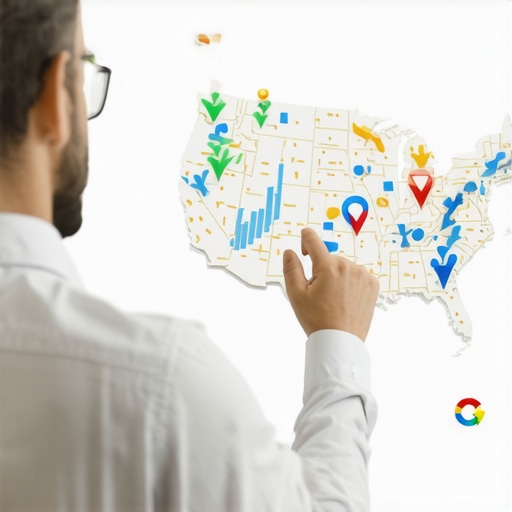
I still remember the moment I realized my business was invisible on Google Maps. Despite having a great product and loyal local customers, new prospects searching for services like mine in Oklahoma City kept finding competitors instead. It was a gut punch. I had poured so much effort into my business, yet online visibility felt like an insurmountable wall. That frustrating experience opened my eyes to a harsh truth: without proper optimization, even the best local businesses can fade into the background online.
The Game-Changer I Didn’t Know I Needed
Fast forward through trial and error, countless hours of research, and a few costly mistakes — like neglecting Google My Business profiles and ignoring local SEO signals — I discovered the top Oklahoma SEO tips that truly moved the needle. Today, I want to share these insights with you, especially if you’re feeling stuck like I was. Improving your Google Maps ranking isn’t just about luck; it’s about applying proven strategies tailored for Oklahoma businesses.
Is All the Hype About Maps Optimization Just Marketing?
Early on, I questioned whether investing time and resources into local SEO was really worth it. I made the mistake of thinking a good website alone would bring in local traffic. But as many experts highlight, local search optimization is a core component of business growth in Oklahoma. According to a recent study, 78% of local mobile searches result in an offline purchase, showing just how critical Maps visibility really is to sales figures (source: Oklahoma City SEO Services).
If you’re like me and have faced the challenge of feeling overshadowed by competitors on Google Maps, you’re not alone. The good news is, with the right tactics, you can flip the script and climb your local rankings. Next, let’s dive into those practical, step-by-step actions that transformed my business’s online presence and can do the same for yours.
Claim and Optimize Your Google My Business Profile
My first step was to claim my Google My Business (GMB) listing, which is like owning a digital storefront on maps. I logged into my GMB account, verified my business, and ensured all details were accurate—name, address, phone number, and operating hours. Don’t skip this; inconsistent info confuses Google and customers alike.
Perfect Your Business Description and Categories
Next, I crafted a compelling description rich with keywords relevant to Oklahoma City. I selected precise categories—don’t be generic. Think of it as telling Google exactly what kind of business I run, making it easier for algorithms and customers to find me.
Gather and Manage Customer Reviews
Reviews became my secret weapon. I promptly asked satisfied clients to leave positive feedback, making it a habit. Responding to reviews shows engagement and boosts rankings, much like a storefront greeting every visitor. I learned to thank positive reviewers and address negative ones professionally, which subtly signals active management to Google.
Automate Review Requests
I used email templates and follow-up reminders to make review collection seamless, resembling a friendly nudge. Consistent reviews add credibility and help differentiate my business from competitors—akin to having the brightest neon sign in Oklahoma City.
Build Local Citations and Backlinks
Getting listed on local directories is akin to placing your shop on every busy street corner. I submitted my business info to reputable Oklahoma-based directories, ensuring consistency in NAP (Name, Address, Phone number). This signals trustworthiness to Google, improving local rankings.
Leverage Local Content and Keywords
I created blog posts highlighting Oklahoma City events and landmarks, embedding keywords naturally. This approach is like speaking your community’s language, making your business more relatable and discoverable to locals—and helpful for map rankings.
Optimize Your Website for Local Search
Your website should mirror your GMB with consistent info and local keywords. I added a dedicated Oklahoma City landing page, optimizing titles, headers, and meta descriptions to target local search queries. Think of it as having a street sign directing Google and visitors exactly where you want them to go.
Ensure Mobile and Speed Optimization
Since most local searches happen on mobile, I improved my site’s load time and mobile friendliness. Fast, responsive sites are like sleek shop windows—attractive and easy to navigate, encouraging visitors to stay and convert.
Monitor and Refine Your Strategy
I regularly checked my GMB insights and rankings, adjusting my tactics accordingly. Using analytics is like tracking foot traffic—knowing what works helps you focus your efforts where it counts. Consistency and adaptation are key to staying visible over time.
By systematically applying these steps, I saw a tangible boost in my Google Maps ranking, leading to more local customers walking through my door. Remember, local SEO isn’t a one-time task; it’s a continuous process of refinement and engagement, tailored for Oklahoma businesses aiming for growth.
Many businesses assume that implementing basic local SEO tactics automatically guarantees top Google Maps rankings, but the reality is far more nuanced. A common myth is that SEO success hinges solely on keyword stuffing or superficial profile tweaks. In my experience, this approach often leads to short-term gains followed by frustrating plateaus. True mastery involves understanding algorithm nuances and focusing on quality signals that Google truly cares about, such as user engagement metrics and authoritative backlinks. For instance, optimizing your Google My Business profile with rich, locally relevant content and gaining genuine reviews has a compounding effect that many overlook. It’s important to recognize that Google’s algorithm updates, like the ‘Vicinity Boost,’ have increasingly prioritized behavioral signals over simple keyword relevance. As a result, a strategy that neglects user experience, mobile responsiveness, and local context can leave your Oklahoma City business invisible despite your best efforts. Don’t fall into the trap of overemphasizing rankings without aligning your tactics with Google’s evolving focus on trust and user intent. Want to see tangible growth? Focus on holistic optimization that integrates local SEO with website authority and customer experience. For advanced insights, consider exploring how to leverage local content and citations more effectively, as explained in the latest Oklahoma SEO guidelines. Remember, achieving sustained visibility on Google Maps isn’t about quick hacks—it’s about building a reputation that Google recognizes as trustworthy and relevant.
How can you adapt your local SEO strategies to accommodate Google’s shifting priorities without wasting resources on outdated practices?
Diving into this question reveals the importance of continuous learning and strategic adjustment—key components for long-term success in Oklahoma’s competitive market. For proven tactics, check out resources like Oklahoma SEO proven strategies and implement them as part of an integrated growth plan. Remember, the most successful local SEO campaigns are those that stay adaptive, employ data-driven insights, and prioritize genuine user value. Don’t hesitate to revisit your strategies regularly; Google’s algorithm is ever-changing, and staying ahead requires vigilance and investment. Want more actionable tips? Explore comprehensive guides and case studies in our other posts. Have you ever fallen into this trap? Let me know in the comments.Achieving top rankings on Google Maps and maintaining your local SEO presence requires more than initial optimization; it demands ongoing efforts and the right tools. From analytics platforms to scheduling systems, I rely on specific equipment and software that streamline my process and ensure long-term results. One essential tool I personally swear by is Moz Local, which not only helps monitor citation consistency but also provides alerts on potential NAP discrepancies that could harm my rankings. Regularly auditing citations using Moz ensures my business details remain accurate across the web, a critical factor given Google’s emphasis on data quality for local search authority.
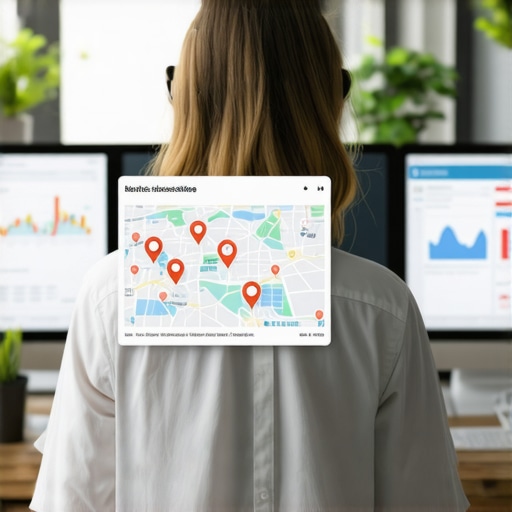
Another indispensable asset is BrightLocal’s reputation management suite. I use it to automate review requests following customer transactions, which keeps my review profile fresh and signals active engagement to Google Maps algorithms. Since reviews are a core ranking factor, automating this process saves me time and ensures I don’t miss opportunities to bolster my local authority.” alt=”Dashboard of BrightLocal showing reputation metrics” title=”BrightLocal tools for review and citation management”/> Routine tracking of my Google My Business insights via the native dashboard allows me to observe real-time fluctuations in my ranking. Coupled with Google Search Console for website performance analytics, I can tie local SEO efforts directly to website traffic and conversions. This integrated approach helps me fine-tune my strategies based on concrete data rather than guesswork.
Furthermore, I implement consistent content updates using scheduling tools like Buffer. Posting regularly about Oklahoma City events or local news keeps my profile active and relevant, which Google’s algorithm favors. Additionally, incorporating local keywords into blog content, as recommended in Oklahoma SEO best practices, boosts local relevance and improves rankings on both Maps and organic search results.
Looking ahead, I predict that automation and AI will play even greater roles in maintaining and scaling local SEO. Advanced tools integrated with machine learning, such as SEMrush’s market insights, can automatically suggest optimization opportunities based on current trends, saving time and maximizing impact. The future of local SEO will be about smart, adaptive tools that continuously refine your presence without constant manual intervention.
How do I maintain my local SEO over time?** Regular audits using Moz Local ensure citation accuracy, while BrightLocal keeps my reputation in check with automated review requests. I also stay proactive by analyzing insights from Google My Business and Search Console, adjusting my content and engagement strategies accordingly. By embracing these tools and techniques, I ensure my Oklahoma business stays visible and competitive in a dynamic landscape. If you haven’t yet, try integrating citation monitoring with Moz Local and reputation management with BrightLocal to see immediate improvements. For deeper dives into scaling your efforts, check out our comprehensive guides on Oklahoma SEO strategies, which highlight these tools’ roles in long-term success. Remember, consistent maintenance with the right technology is crucial to unlocking sustained business growth—so start automating your reviews today!Lessons I Wish I Learned Sooner About Navigating Oklahoma City’s SEO Landscape
One of the most eye-opening realizations during my journey was that local SEO success isn’t about quick fixes or copying strategies from elsewhere; it’s about genuinely understanding and engaging with your Oklahoma City community. I used to focus solely on keywords and profile tweaks until I discovered that authentic reviews and local content created a ripple effect, building trust both with customers and Google alike. Additionally, I underestimated the importance of continuous monitoring—what once worked can easily become outdated in Oklahoma’s dynamic market. Embracing transparency and staying adaptable has been my key takeaway, reaffirming that real growth stems from consistent effort rooted in local relevance.
My Favorite Tools for Elevating Oklahoma City Business Presence
Over the years, I’ve relied on tools like Moz Local and BrightLocal to keep my citation details accurate and my reputation management streamlined. Their dashboards provided actionable insights that helped me preempt ranking drops and identify opportunities to gather reviews. I also swear by Google Search Console for tracking website performance; it reveals how users find and interact with my site, enabling me to fine-tune my local content. For content scheduling, Buffer ensures I stay active on Oklahoma City-specific topics, keeping my business relevant and engaging. These tools collectively serve as my trusted allies in navigating the complex landscape of Oklahoma SEO and Google Maps optimization.
This Is Your Moment to Take Action
Remember, mastering local SEO in Oklahoma City is a continuous journey that rewards those willing to adapt and learn. With a strategic mindset and the right tools, you can elevate your business visibility and attract more local customers than ever before. The key is to combine authentic engagement with ongoing optimization—your future success depends on it. Don’t be afraid to start implementing these tactics today and watch your Google Maps rankings and local growth flourish.
What’s the one hurdle you’re currently facing in your local SEO efforts? Share your experience below and let’s work through it together!

Reading this post really resonated with my experience running a local business here in Tulsa. I initially underestimated the power of a well-optimized Google My Business profile, thinking that simply having a website would be enough to draw in local traffic. It wasn’t until I started actively managing reviews, updating local content, and focusing on citation consistency that I saw a real difference in my Maps rankings. The part about leveraging local landmarks and events caught my attention because I’ve found that connecting with the community through content not only boosts SEO but also builds trust.
I’m curious, how do others balance ongoing content creation with the daily demands of running a business? Also, what tools or tactics have you found effective in maintaining consistency without overwhelming your team? I believe that sustained effort and staying adaptive are key, especially in a competitive market. Would love to hear about your experiences or any tips you have for keeping local SEO efforts manageable while still impactful.