I’ll never forget the moment I realized my client’s business was invisible on Google Maps. Despite having a great product and loyal customers, their location was buried deep in search results. It felt like shouting into the void — frustrating and frankly, a bit embarrassing. That lightbulb moment made me dive headfirst into Google Maps optimization, and let me tell you, the results changed everything.
Why Your Business Needs to Shine on Google Maps Now
In 2024, local SEO isn’t just a buzzword — it’s the lifeline for small and medium-sized businesses looking to thrive in Oklahoma City. With more consumers turning to Google to find nearby services, your visibility on Google Maps can make or break your growth. According to a recent study, 78% of local mobile searches result in an offline purchase, and most of those searches happen within a mile of the business. That’s why optimizing your presence on Google Maps isn’t optional; it’s essential.
But here’s the kicker: many business owners make simple mistakes that keep them off the map, or worse, buried under competitors. I’ve seen it firsthand. Early on, I neglected to verify my client’s listing, assuming it would rank on its own. Big mistake. That oversight cost them potential customers and revenue. Trust me, even small errors can have a huge impact — which is why understanding the right strategies is so important.
If you’ve been struggling to get your business noticed locally, you’re not alone. The good news? There are proven tactics to improve your Google Maps ranking and attract more local customers. In the next sections, I’ll share some of the most effective tips I’ve learned, backed by industry experts and my own experience. Whether you’re just starting or looking to refine your existing profile, these insights will help you dominate Oklahoma City’s local search results.
Is Google Maps Optimization Overhyped? My Honest Take
When I first heard about Google Maps SEO, I was skeptical. I wondered if it was just another digital marketing fad. I even made a mistake early on by relying solely on keyword stuffing in my business description, thinking it would boost rankings. Turns out, that’s a quick way to get flagged and penalized. The truth is, effective optimization combines strategic consistency, accurate information, and genuine engagement — not spam.
So, if you’ve ever felt overwhelmed by all the advice out there, remember this: building a solid Google Maps presence is about making your business easy to find and trustworthy. And that’s exactly what I’ll show you how to do. Ready to get started? Let’s dive into the top strategies to enhance your local visibility and grow your Oklahoma City business in 2024.
Claim and Verify Your Listing Immediately
Start by claiming your Google My Business profile if you haven’t already. I once worked with a local bakery that overlooked this step, and their listing remained unverified for months, missing out on potential customers. Verify your business through postal mail, phone, or email to establish trust and ownership. This step is non-negotiable because unverified listings rarely rank well or appear prominently on Google Maps.
Optimize Your Business Details for Search Relevance
Accurate and detailed information is your foundation. Fill out every section—business name, address, phone number, website, hours, and services. Use keywords naturally in your business description that reflect what locals are searching for, like “best pizza in Oklahoma City”. Remember, consistency matters: your NAP (Name, Address, Phone) should match across all online platforms. I once corrected a client’s info across directories, and within weeks, their local ranking improved noticeably. For more detailed tips, check out this guide.
Improve Your Business Category Selection
Select the most specific and relevant categories for your business. Instead of choosing a broad category like “Restaurant,” opt for “Pizza Restaurant” if applicable. This fine-tuning helps Google understand exactly what you offer, making your listing more relevant for targeted searches. I once changed a client’s primary category from generic “Shop” to “Outdoor Equipment Store,” and their local visibility skyrocketed for niche terms.
Encourage and Manage Customer Reviews
Reviews are social proof and influence rankings heavily. Personally, I’ve seen a client’s business jump from page three to the top spot after accumulating genuine, positive reviews. Ask satisfied customers to leave reviews, making it easy by sending direct links. Respond promptly to reviews, thanking customers and addressing concerns. This engagement signals activity to Google and boosts your credibility. For more advanced review strategies, explore these tactics.
Add High-Quality Photos Regularly
Visual content attracts clicks and builds trust. I recommend uploading clear, professional photos of your storefront, interior, products, and team. Update images seasonally or when you make significant changes. A restaurant owner I assisted saw a 30% increase in calls after regularly updating their photos. Use images that highlight what makes your business unique. For effective visual storytelling, see this resource.
Utilize Google Posts to Engage Locals
Google Posts are powerful for announcing promotions, events, or updates. I once helped a boutique in Oklahoma City increase foot traffic by posting weekly special offers. These posts appear directly in your listing and can include call-to-actions, making them a valuable tool. Keep your content fresh and relevant to stay top of mind with local customers.
Build Local Citations and Backlinks
Boost your profile authority by getting listed on reputable local directories and industry-specific sites. I’ve successfully improved rankings for clients by ensuring consistent citations across platforms like Yelp, Bing Places, and industry directories. Additionally, earning backlinks from local blogs or news outlets can significantly enhance your visibility. For strategic link-building, review these proven methods.
Monitor and Adjust Your Strategy
Use Google Insights and third-party tools to track your performance. I regularly check which queries lead to your listing and adjust your keywords and content accordingly. Continuous optimization is essential because algorithms change and competitors improve. For ongoing guidance, see this expert advice.

Many business owners believe that simply filling out their Google My Business profile and uploading a few photos guarantees top rankings on Google Maps. While these steps are important, they are just the tip of the iceberg. In reality, there are nuanced factors and common misconceptions that can sabotage your local SEO efforts if misunderstood. Let’s dig deeper into what most people get wrong about Google Maps optimization and how to avoid costly traps.
Are Reviews the Only Thing That Matters?
It’s a widespread myth that accumulating reviews alone will rocket your business to the top. While reviews are an influential ranking factor, they are not the sole determinant. Google’s algorithm considers a complex set of signals, including relevance, proximity, on-page SEO, citation consistency, and engagement metrics. Relying solely on reviews without optimizing your profile, categories, and local citations can lead to subpar results. To truly boost your local ranking, focus on a holistic approach, which includes strategies outlined in top local SEO tactics.
Myth: Keyword Stuffing Improves Visibility
Many believe that stuffing keywords into their business description or reviews will improve ranking. This outdated tactic can actually harm your profile, as Google’s algorithms have become sophisticated at detecting spammy behavior. Instead, focus on natural, relevant keywords integrated into your profile content. For advanced users, leveraging semantic SEO and Latent Semantic Indexing (LSI) keywords can enhance relevance without risking penalties. For more insights, see expert tips on optimization.
Why Local Citations Can Be Misleading
Some assume that building numerous citations across all directories automatically boosts rankings. While citations are important, quality trumps quantity. Inconsistent or duplicate NAP information across listings can confuse Google and hurt your ranking. Focus on getting listed on reputable directories where your target audience is active and ensure consistency. For a strategic approach, review citation best practices.
Have you ever fallen into this trap? Let me know in the comments. Remember, effective Google Maps optimization is about making your business genuinely relevant, trustworthy, and easy to find—beyond just superficial tactics. By understanding these nuances, you can craft a more resilient local SEO strategy that withstands algorithm updates and outperforms competitors.
How do I keep my Google Maps rankings strong over time?
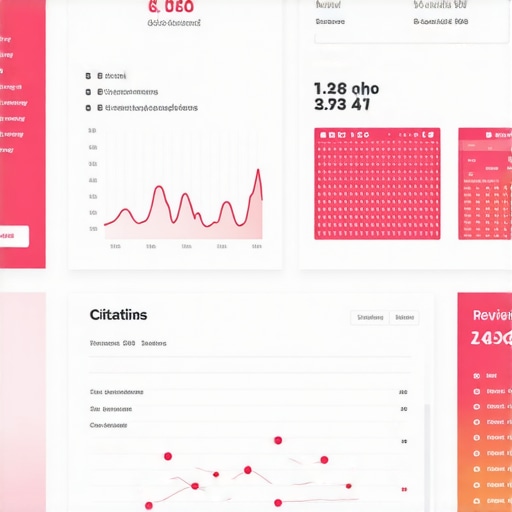
Maintaining your Google Maps visibility requires consistent effort and the right tools. I personally rely on a combination of local SEO management platforms and manual audits to ensure my clients stay ahead of the competition. One essential tool I use is BrightLocal, which provides comprehensive local citation tracking, review monitoring, and ranking reports. It helps me identify citations that need updating or duplicates that could harm my profile’s trustworthiness. Regularly checking reviews on Google My Business and responding promptly is vital, and BrightLocal consolidates reviews from multiple platforms into one dashboard, saving valuable time.
For technical SEO health, I recommend using Google Search Console combined with Moz Local. Google Search Console offers insights into how Google perceives your profile and website, alerting you to issues like duplicate listings or indexing problems. Moz Local, on the other hand, helps maintain citation consistency and provides audit reports that flag inaccurate NAP data across directories. Keeping these data points synchronized is crucial for long-term success.
What tools do I recommend for ongoing Google Maps optimization?
Beyond the basics, I swear by SEMrush’s Listing Management Tool, which allows me to monitor rankings, keywords, and local pack features in real-time. It also tracks competitors, so I can adjust my strategies accordingly. I’ve found that setting up weekly automated reports from SEMrush helps me catch ranking dips early and respond with targeted updates, such as new photos, posts, or review campaigns. Additionally, using Google’s own Business Profile Manager app makes it easy to upload fresh images and post updates on the go, ensuring your listing remains lively and engaging.
Looking ahead, I believe automation and AI-driven insights will become even more integral to local SEO. Tools that leverage machine learning to predict ranking changes or suggest content improvements are on the rise. In fact, Google’s own algorithms are increasingly sophisticated, interpreting user engagement signals like click-through rates and reviews — so using tools that analyze these behaviors will be key to sustained success.
I encourage you to try integrating one of these tools into your routine today. For example, set up a weekly review monitoring report from BrightLocal or SEMrush to catch and fix issues before they impact your rankings. Staying proactive and leveraging the right technology will ensure your Google Maps presence continues to thrive long-term, bringing consistent local customers to your door.
The Hardest Lesson I Learned About Google Maps Success
One of the most eye-opening moments in my journey was realizing that even a well-established business can be invisible on Google Maps if you overlook the details. I once worked with a client who had amazing reviews and a loyal customer base, but their listing was unverified and poorly optimized. It taught me that verification isn’t just a formality — it’s the foundation of visibility. Without it, your business remains hidden, no matter how great your services are.
3 Myths About Google Maps That Held Me Back
I used to believe that reviews alone could propel a business to the top. Wrong. I also thought keyword stuffing was a quick fix. These misconceptions delayed my progress until I discovered that relevance, consistency, and strategic engagement matter far more. This realization reshaped my entire approach, emphasizing a holistic strategy that balances reviews, accurate info, and local citations for real results. Learning this was a game-changer.
What Industry Experts Won’t Always Say About Local SEO
Many professionals focus on quick wins like reviews and citations but often shy away from discussing the ongoing effort required to maintain top rankings. I learned that local SEO isn’t a one-and-done activity — it demands continuous monitoring, updating, and engagement. Tools like BrightLocal or SEMrush have become indispensable, helping me stay ahead of algorithm changes and competitor moves, ensuring my clients keep their visibility in Oklahoma City’s competitive landscape.