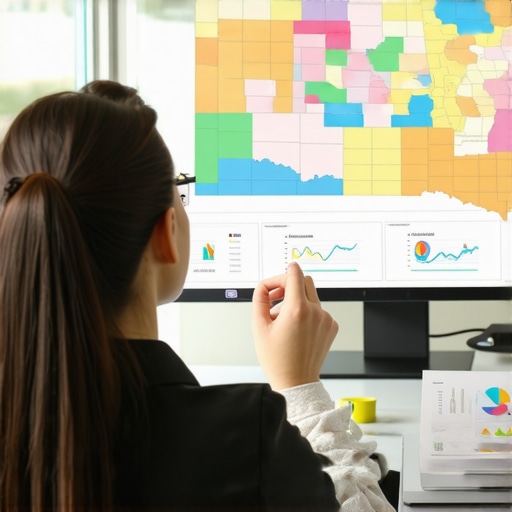
Have you ever invested hours into perfecting your business website, only to realize that potential customers still can’t find you on Google Maps? That sinking feeling when your competitors appear above you in local search results—it’s frustrating, right? I remember the moment I realized I was missing out on countless local clients simply because I hadn’t optimized my Google Maps listing effectively. It was a wake-up call that changed my entire approach to local SEO.
Why Local SEO and Google Maps Optimization Matter Now More Than Ever
In today’s hyper-competitive market, being visible online isn’t enough—you need to dominate your local map pack. According to recent studies, over 78% of local mobile searches result in an offline purchase within 24 hours (Source). That means if your business isn’t appearing prominently on Google Maps, you’re essentially invisible to a large chunk of your potential customers.
This is especially critical for local businesses in Oklahoma, where community trust and visibility can make or break your growth. When I first started, I made a crucial mistake: I overlooked the power of Google Maps optimization. Instead of focusing on local SEO strategies, I relied solely on my website’s organic rankings. The result? My business was struggling to get foot traffic, and I was losing ground to competitors who knew how to leverage Google Maps effectively.
Today, I’m going to share proven tips from top Oklahoma SEO companies that transformed my local visibility. We’ll cover everything from claiming and optimizing your Google My Business profile to advanced tactics that will help you appear at the top of local search results. Whether you’re just starting out or looking to refine your approach, these strategies will set you on the path to local dominance.
Is Google Maps Optimization Actually Worth the Hype?
Initially, I was skeptical about investing time in Google Maps when I thought my website’s SEO would do all the work. However, I learned the hard way that ignoring local map rankings is a mistake. Early on, I failed to verify my business profile and neglected to update my information regularly. These simple oversights cost me potential customers and credibility.
Now, I know that effective Google Maps optimization is not just hype—it’s a game-changer. And if you’re wondering whether it’s worth the effort, the answer is a resounding yes. Proper optimization can significantly increase your visibility, attract more local clients, and ultimately grow your business in ways you never imagined. For more in-depth tactics, check out this guide from Oklahoma SEO experts.
Ready to discover the top strategies that helped me and countless others succeed? Let’s dive into the actionable steps you can implement today to boost your Google Maps rankings and grow your Oklahoma business.
,
Claim and Verify Your Google Business Profile
The first step I took was claiming my Google My Business (GMB) profile. Think of it like registering your business at a local chamber of commerce—it’s your official spot on the map. To do this, go to Google My Business, search for your business, and claim it. I remember spending a frustrating afternoon trying to verify my listing, but it paid off once I received the postcard with the PIN. Verification is critical; without it, your profile remains untrusted and less visible. Follow the steps outlined in this guide to ensure your profile is verified correctly.
Optimize Your Business Details
Once verified, fill out every detail: accurate business name, address, phone number, hours, and website. Imagine your profile as a storefront window—everything should be clear and inviting. Make sure your NAP (Name, Address, Phone number) matches across all platforms to avoid confusion. I once had a typo in my phone number, which caused missed calls—fixing it immediately increased my local inquiries. Regularly update your info, especially if you change hours or services, to stay relevant. Use keywords naturally in your business description, like “Oklahoma City plumbing services,” to help Google understand your niche. For advanced tactics, check out this resource.
Leverage High-Quality Photos and Videos
Visual content is the storefront’s signage. Upload high-resolution photos of your interior, exterior, products, and team. I learned this the hard way—initial photos I uploaded were blurry, which gave a bad impression. After replacing them with professional-quality images, my profile engagement skyrocketed. Videos are even better; a quick walk-through of your shop can boost trust and clicks. Remember, Google favors fresh content, so update photos seasonally or after renovations. Use descriptive filenames with keywords, like “Oklahoma-City-restaurant-exterior.jpg,” to improve local SEO. Check out this guide for more tips on visual optimization.
Gather and Manage Customer Reviews
Reviews are like word-of-mouth recommendations in the digital age. I made it a habit to ask satisfied customers to leave reviews, especially after completing a job. I found that reviews containing local keywords—like “great service in Oklahoma City”—helped me rank higher. Respond promptly to reviews, thanking customers and addressing concerns; it shows Google and potential clients that you care. Negative reviews can be turned into opportunities—apologize sincerely and offer to rectify issues. Consistently accumulating positive reviews signals trustworthiness and boosts visibility. Use review management tools to streamline this process, and encourage reviews subtly on receipts or follow-up emails. For detailed review strategies, see this resource.
Implement Local SEO on Your Website
Your website should reinforce your Google Maps presence. Include your NAP on every page footer, embed a Google Map widget, and create location-specific pages if you serve multiple areas. I once added a dedicated “Oklahoma City Plumbing” page, optimizing it with local keywords and testimonials, which helped my Google My Business ranking improve. Ensure your website loads fast and is mobile-friendly; many local searches are done on smartphones. Use schema markup for local businesses to help Google understand your content better. Regularly update your blog with local news or tips—this keeps your site fresh and improves SEO. For more detailed tactics, review this guide.
Build Local Citations and Backlinks
Backlinks from reputable local directories and partners can significantly boost your local SEO. I started by submitting my business to prominent Oklahoma directories like local business directories. Ensure consistency in your NAP across all citations. Also, seek backlinks from local newspapers, chambers, and industry associations—these are like endorsements that Google trusts. Attend local events and sponsor community activities; this often results in natural backlinks and mentions. Use tools like Moz or SEMrush to monitor your backlink profile and identify new opportunities. For an in-depth backlink strategy, see this article.
Track, Analyze, and Refine Your Efforts
Finally, I learned that consistent tracking is key. Use Google Search Console and Google Analytics to monitor your profile views, clicks, and ranking changes. I set monthly review sessions to analyze what’s working—like which keywords bring in the most traffic—and adjust my tactics accordingly. Tools like BrightLocal can help you track your local rankings over time. Remember, local SEO is not a one-time effort but an ongoing process. Keep experimenting, stay updated with algorithm changes, and refine your strategy. For ongoing insights, explore this resource.
Many business owners believe that simply claiming and optimizing their Google My Business profile is enough to rank high in local maps. While foundational steps are crucial, this mindset overlooks the complex, nuanced factors that truly influence local rankings. In this post, let’s dig deeper into what most people get wrong about Google Maps optimization and uncover the hidden nuances that can make or break your local SEO efforts.
Myth: More Listings Equal Better Rankings
A common misconception is that submitting your business to as many directories as possible will boost your local visibility. However, quality trumps quantity. Google’s algorithms prioritize consistency and authority, so focusing on a few reputable citations with correct NAP details is far more effective than mass submissions to low-quality directories. Overloading your profile with inconsistent NAP data across multiple listings can even harm your rankings. For expert insights on citation quality, explore this guide.
Oops! The Over-Optimization Trap
Another mistake is over-optimizing your profile with keyword stuffing in your business description or reviews. While keywords are important, Google penalizes unnatural keyword usage. Instead, aim for natural language that accurately describes your business while subtly incorporating relevant keywords. Over-optimization can trigger spam filters and reduce your local rankings. Remember, Google’s AI is becoming increasingly sophisticated in detecting manipulative tactics. For advanced strategies, refer to this resource.
How Does Google Really Decide Local Rankings?
For the more advanced reader, understanding the core ranking factors is essential. Google considers relevance, distance, and prominence, but also takes into account factors like user engagement, review sentiment, and behavioral signals. A recent study from Moz highlights that Google’s local pack is heavily influenced by review velocity and consistency over time. Ignoring these subtle signals can leave you behind competitors who actively manage their reputation and engagement. To stay ahead, implement ongoing review management and engagement strategies outlined in this article.
Have you ever fallen into this trap? Let me know in the comments. Mastering these hidden nuances will give you a competitive edge and ensure your local SEO efforts are truly effective, not just superficial.
Keeping your Google Maps rankings high over time requires more than initial setup; it demands consistent effort, the right tools, and strategic refinement. As local SEO continues to evolve, leveraging specific technology and adopting disciplined practices will ensure your business remains visible and competitive in Oklahoma’s crowded market.
How do I maintain my Google Maps optimization over time?
First and foremost, **regularly monitor your local rankings and profile health**. I personally use BrightLocal because it offers comprehensive tracking of your Google Maps positions across multiple keywords and locations. This helps me identify fluctuations early and adjust my strategies accordingly. Additionally, this guide emphasizes the importance of ongoing citation management and review responsiveness, which I integrate into my monthly routine.
Next, **automate review requests and reputation management**. I use tools like Podium to send automated review requests to satisfied customers, which significantly boosts my review velocity—an influential ranking factor. Responding promptly to reviews, especially negative ones, is crucial. I set aside time daily to engage with customer feedback, which not only improves my reputation but also signals to Google that my listing is active and trustworthy.
In addition, **keep your business information fresh and accurate**. I use Google My Business Post Scheduler to publish updates, offers, and seasonal messages regularly. This fresh content encourages engagement and signals relevancy to Google. Ensuring your photos and videos are current is equally important—outdated visuals can harm your perceived trustworthiness. I recommend scheduling quarterly photo updates, especially after renovations or seasonal changes.
To stay ahead, consider using **schema markup** to help Google better understand your local content. I implement this using Merkle’s LocalBusiness schema plugin, which is easy to integrate and keeps my site’s structured data optimized. This ensures your website and GMB profile are aligned and easily understood by search engines, bolstering your local authority.
Looking forward, I believe the trend toward **AI-driven local SEO tools** will expand. These tools will analyze review sentiment, detect spammy behaviors, and suggest personalized optimization tactics. For now, combining manual efforts with automation tools like those I’ve mentioned provides a balanced approach to long-term success.
Finally, I advise setting up **monthly review meetings** to analyze your Google Maps performance metrics. Use these insights to refine your local SEO tactics continually. The key is consistency—regularly checking your data, updating your content, and engaging with customers will keep your business at the top of local results for years to come.
The Hardest Lesson I Learned About Mastering Google Maps for Local Business Growth
One of the biggest revelations I had was understanding that local SEO isn’t just about claiming your listing and hoping for the best. I initially thought that optimizing my Google My Business profile once would suffice, but I quickly learned that continuous effort, monitoring, and refinement are essential to stay ahead in Oklahoma’s competitive market. The real lesson was recognizing that local rankings are dynamic, influenced by reviews, engagement, and ongoing content updates.
Another insight was the importance of citation consistency. I used to believe that more listings meant better visibility, but I discovered that accuracy and quality matter more than quantity. Ensuring my NAP details matched across all platforms helped improve my local authority and rankings significantly. The key was to focus on reputable directories and avoid conflicting information that can confuse Google and diminish trust.
I also learned that over-optimizing with keywords can backfire. Google’s algorithms are now smarter at detecting manipulative tactics, so natural language and genuine customer engagement are far more effective. Prioritizing authentic reviews and responding thoughtfully to customer feedback created a positive feedback loop that boosted my local prominence and trustworthiness.
My Essential Toolkit for Elevating Oklahoma Business Visibility
- BrightLocal: I rely on this for comprehensive tracking of local rankings, review monitoring, and citation management. It gives me real-time insights into what’s working and where I need to improve.
- Google My Business Insights: The built-in analytics help me understand customer behavior, peak times, and popular search queries, allowing targeted adjustments.
- Podium: This tool automates review requests, making it easier to gather positive feedback and respond promptly, which is critical for local SEO.
- Schema Markup: Implementing structured data on my website through tools like Merkle’s LocalBusiness schema has improved how Google understands my local content, enhancing my prominence.
Your Turn to Try: Embrace the Power of Local SEO for Oklahoma Success
Remember, mastering Google Maps optimization is an ongoing journey that requires patience, strategic effort, and a willingness to adapt. The more consistently you refine your profile, engage with customers, and stay updated with the latest best practices, the more your business will stand out in Oklahoma’s vibrant local market. Don’t let your competitors outshine you—take action today and watch your local visibility soar!
What’s been your biggest challenge with Google Maps optimization? Share your story below—I’d love to hear from you!
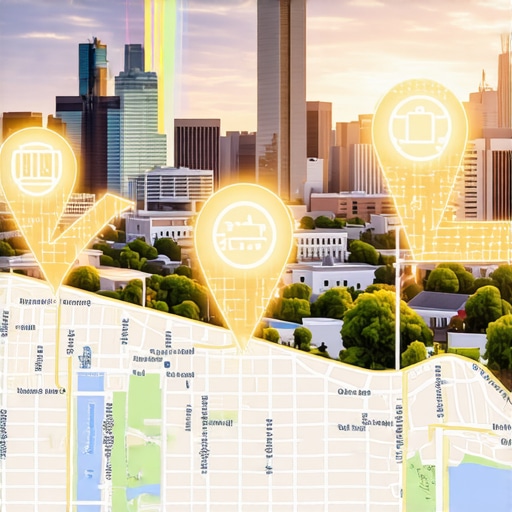

This post really hits home for me because I’ve seen firsthand how important local SEO and Google Maps optimization are, especially for small businesses here in Oklahoma. When I started focusing more on my GMB profile—claiming, verifying, and regularly updating my business info—I noticed a marked improvement in local visibility and customer inquiries. It’s surprising how sometimes, simple things like accurate NAP details or adding fresh photos can make such a difference. I also learned the hard way that reviews are more than just feedback; they’re powerful trust signals for both customers and Google. I’ve tried streamlining my review requests through automated tools, which has helped increase review volume and quality. My question is: what’s everyone’s go-to method for encouraging happy clients to leave reviews without feeling salesy? Would love to hear some tips from others who’ve successfully built their local reputation.